Doctorate in Ecology and Global Solutions
Doctor in Ecology and Global Solutions
3 years, 4 months
Credits:120
In-person
$30.800
Enrollment: $2.800
Tuition $28.000
All students accepted into the program receive a full scholarship on tuition. They only need to cover the enrollment fee.
Full time
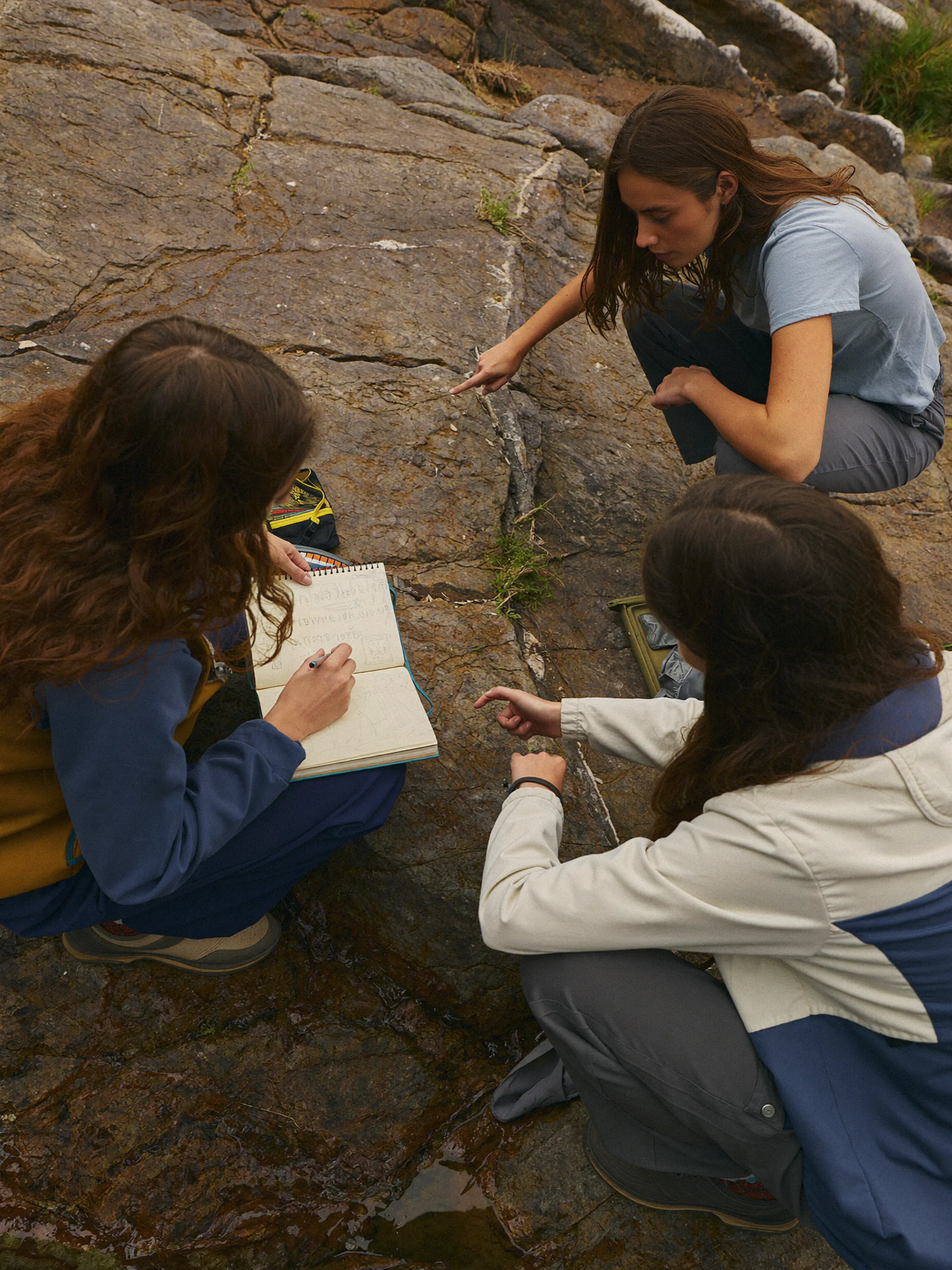
Field trips may include weekends.
January 11, 2027
August 17 to October 30, 2026 (subject to available spots)
College of Biological and Environmental Sciences (COCIBA)
RPC-SO-13-No.186-2025, April 2, 2025
Campus Santiago Gangotena
Research living systems and design solutions for a constantly changing planet
The USFQ Doctorate in Ecology and Global Solutions prepares you to understand complex ecological systems and develop applied responses to challenges such as biodiversity loss, climate change, socio-environmental resilience, and sustainable resource management.
You integrate rigorous research, systematic thinking, and interdisciplinary work to generate relevant knowledge in local and global contexts. You connect science and decision-making, and contribute to designing solutions that impact policies, territories, and communities.

Program Objective
You produce original knowledge, design evidence-based solutions, and participate in scientific projects with global reach.
You strengthen your analytical capacity, your methodological expertise, and your systematic thinking to lead research in ecology and sustainability.

Applicant and Graduate Profile
Who is this doctorate aimed at?
Due to its interdisciplinary nature, the Ecology and Global Solutions Doctoral program can receive graduates with degrees in various fields of knowledge in the life sciences, including Environmental Science, Biological Sciences and related fields, as well as Chemistry, Earth Sciences, Mathematics and Statistics.
What will your professional outlook be?
You will develop conceptual rigor to design complex studies, analyze socioecological systems and propose solutions with impact on territories, ecosystems and public policies.
You will project yourself in academia, research centers, international organizations, non-governmental organizations (NGOs) and public institutions, where you will influence decision-making based on scientific and academic evidence.
Integrates science, society, and decision-making
The Liberal Arts model strengthens your ability to connect science, ethics, politics, economics, and communication.
You learn to place your research in human and global contexts, and to build viable solutions with a scientific foundation and social responsibility.

Scientific networks with impact
Your research takes place in environments that connect science, territory, and international collaboration.
Includes
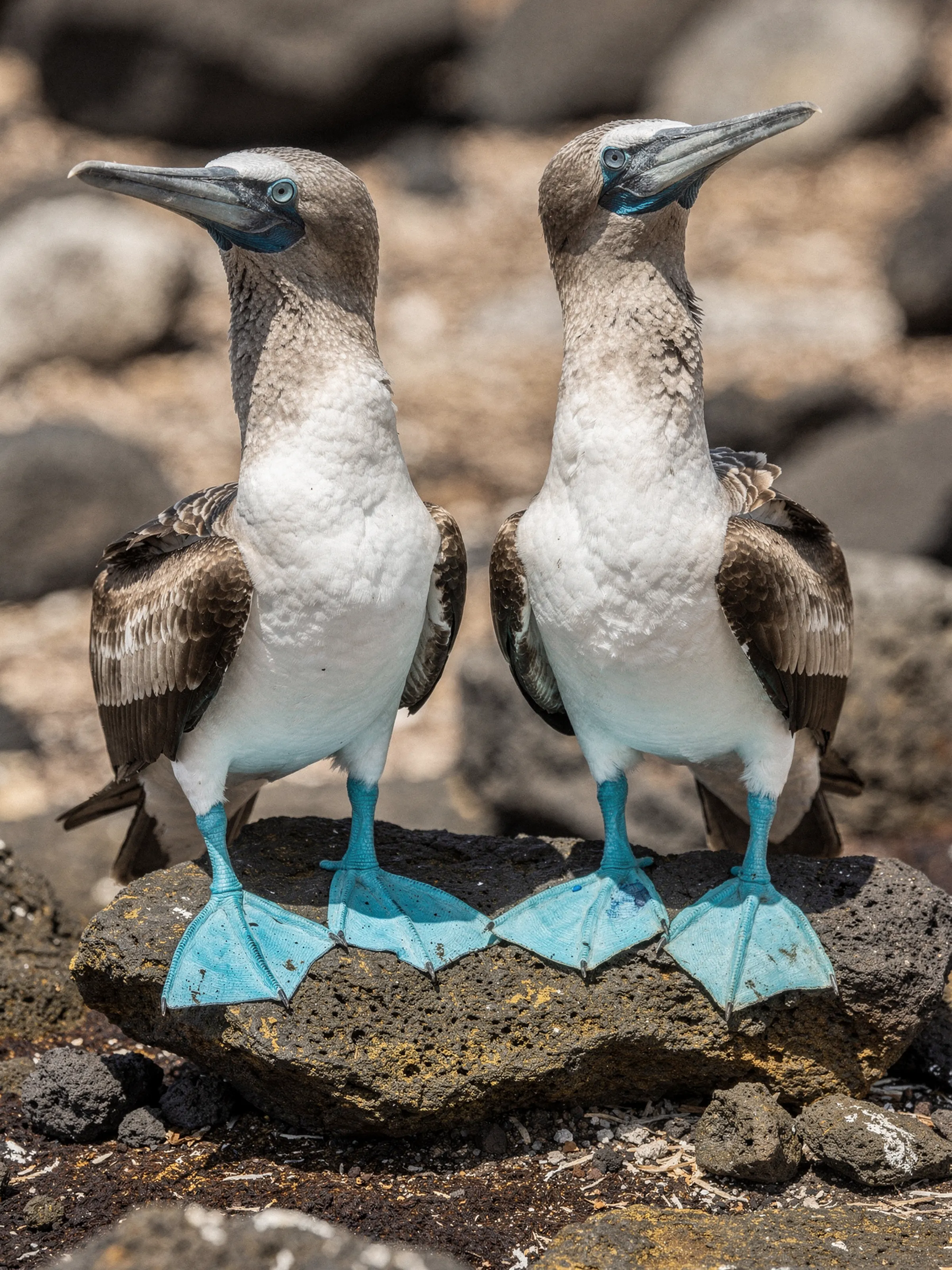
- Galápagos and island ecosystems.
- Cloud forests and tropical Andes.
- Amazon and high biodiversity areas.
- Specialized laboratories.
- International networks and global projects.