Doctorate in Microbiology
Doctor in Microbiology, equivalent to Ph.D.
4 years
Total credits:
90 (advanced curriculum)
120 (basic and advanced curriculum)
Credits:90
In-person
$32.620,80
Enrollment: $2.964,42
Tuition: $29.656,38
Program with full scholarships on tuition fees.
Monday through Friday from 7:30 to 19:00, Saturdays, Sundays and holidays (09:00 to 18:00).
Schedules vary according to courses, teaching assistantships, rotations and time dedicated to research and thesis.
August, 2026
March 16, 2026 (last application date).
College of Biological and Environmental Sciences (COCIBA)
RPC-SO-17-No.476-2021, August 12, 2021.
Campus Santiago Gangotena
Research microorganisms and generate impact in the world
Advances in genomics and molecular biology have transformed our understanding of the microbial world.
In the USFQ Doctorate in Microbiology, you research key phenomena such as antibiotic resistance, emerging infectious diseases, microbiota, biofilms, foodborne pathogens, tropical diseases, phytopathogens, and environmental applications such as bioremediation or water treatment with microalgae.
Here, research is oriented toward producing relevant knowledge for health, the environment, and scientific development.
Program Objective
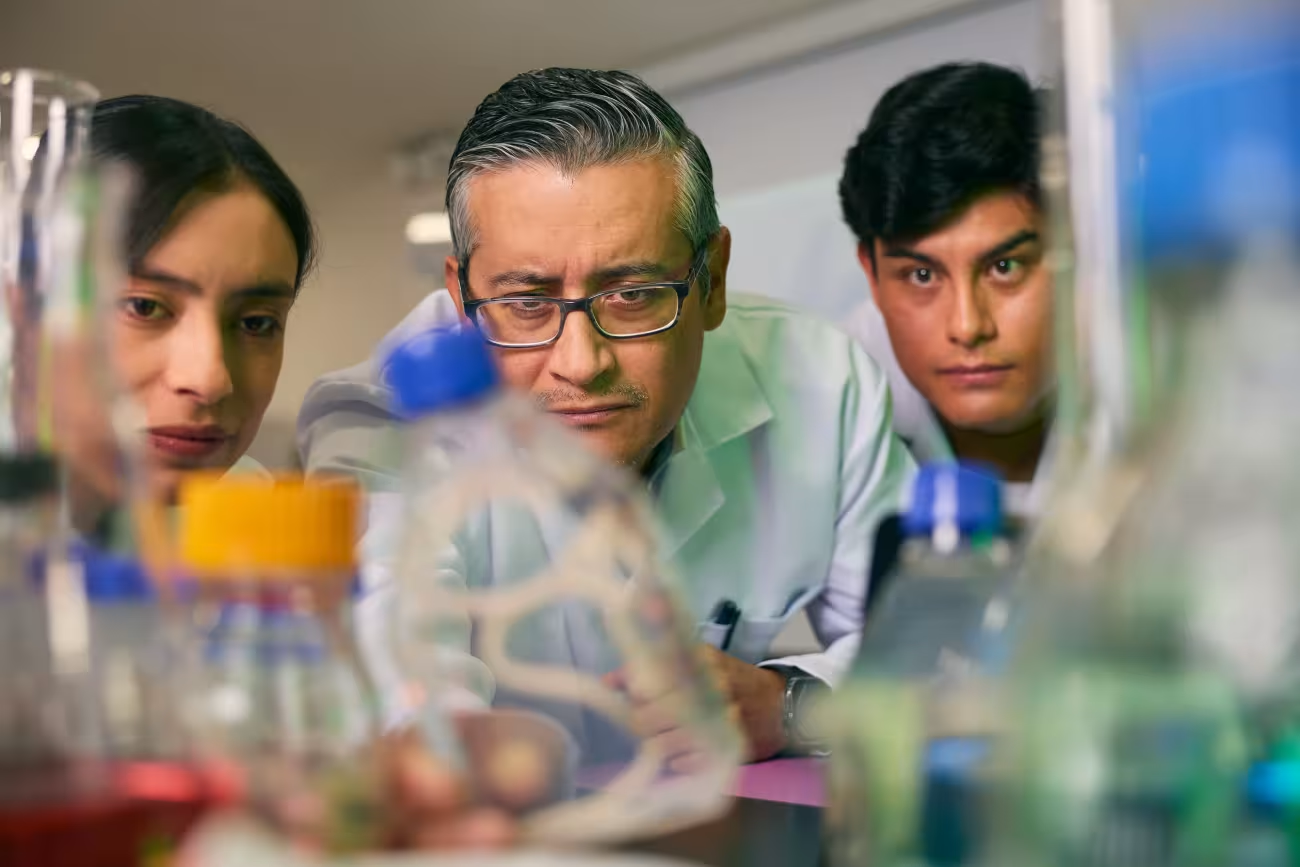
The program trains you as a researcher in microbiology at the highest level. You develop the ability to generate rigorous knowledge and contribute to scientific and technological advancement, with impact in Ecuador and in international contexts.
Applicant and Graduate Profile
Who is this doctorate aimed at?
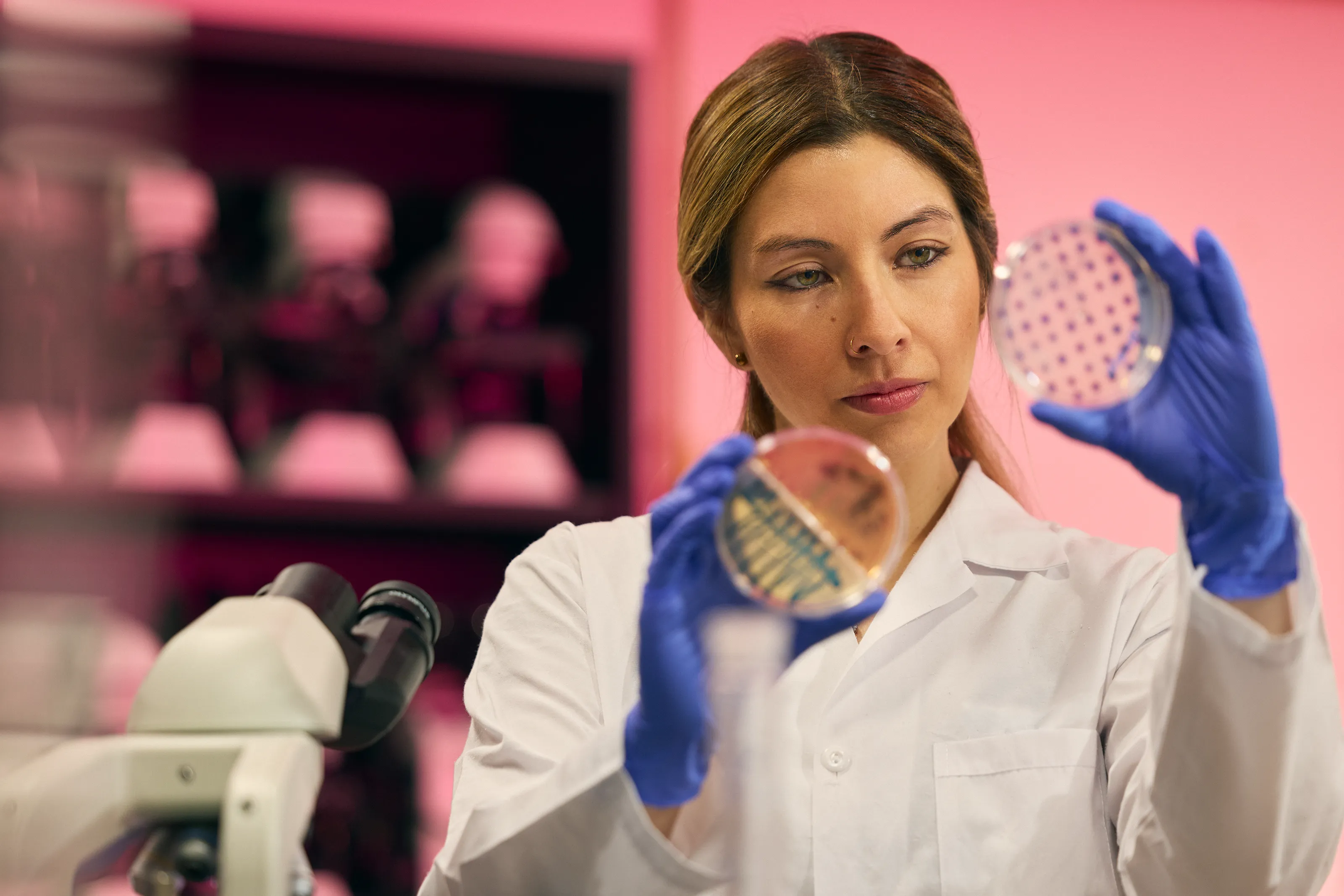
It is aimed at professionals with a master's degree in areas related to microbiology, with research experience and a willingness to work under high academic standards. Those who seek to deepen scientific knowledge with discipline, ethics, and commitment.
What will your professional outlook be?
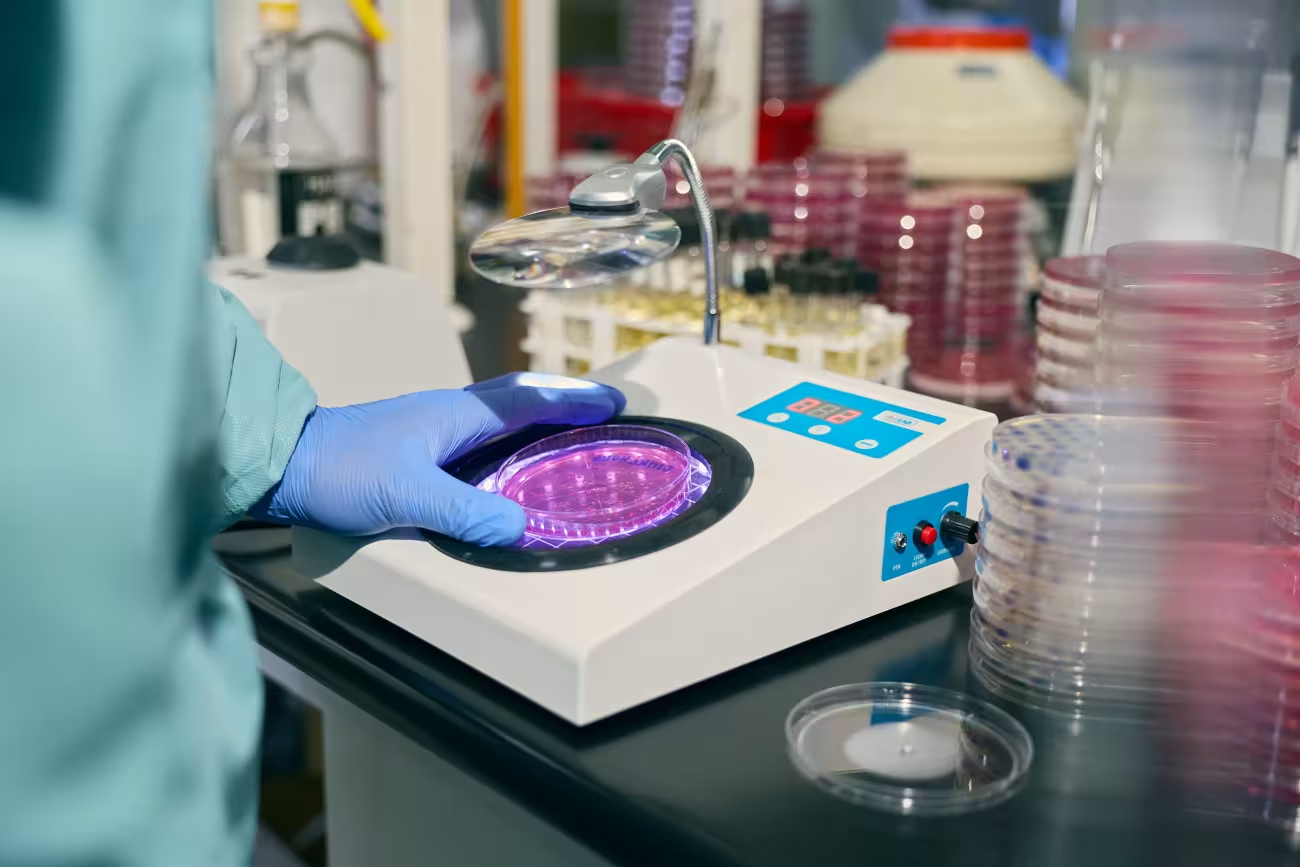
You will be trained as a researcher in modern microbiology, capable of designing and developing projects based on hypothesis formulation, process analysis, and the application of advanced scientific methodologies.
You will develop skills to communicate results in scientific forums and through academic publications. You will also prepare to lead laboratories, direct projects, and take on responsibilities in research and diagnostics, with an ethical approach to scientific practice.
Connects Liberal Arts and science
The Liberal Arts approach expands your analytical and communication skills. You learn to apply science in social fields such as public health.
You also develop an interdisciplinary perspective that allows you to formulate better questions, connect evidence with decision-making, and generate knowledge with impact in local and global contexts.
Experiment with advanced scientific technology
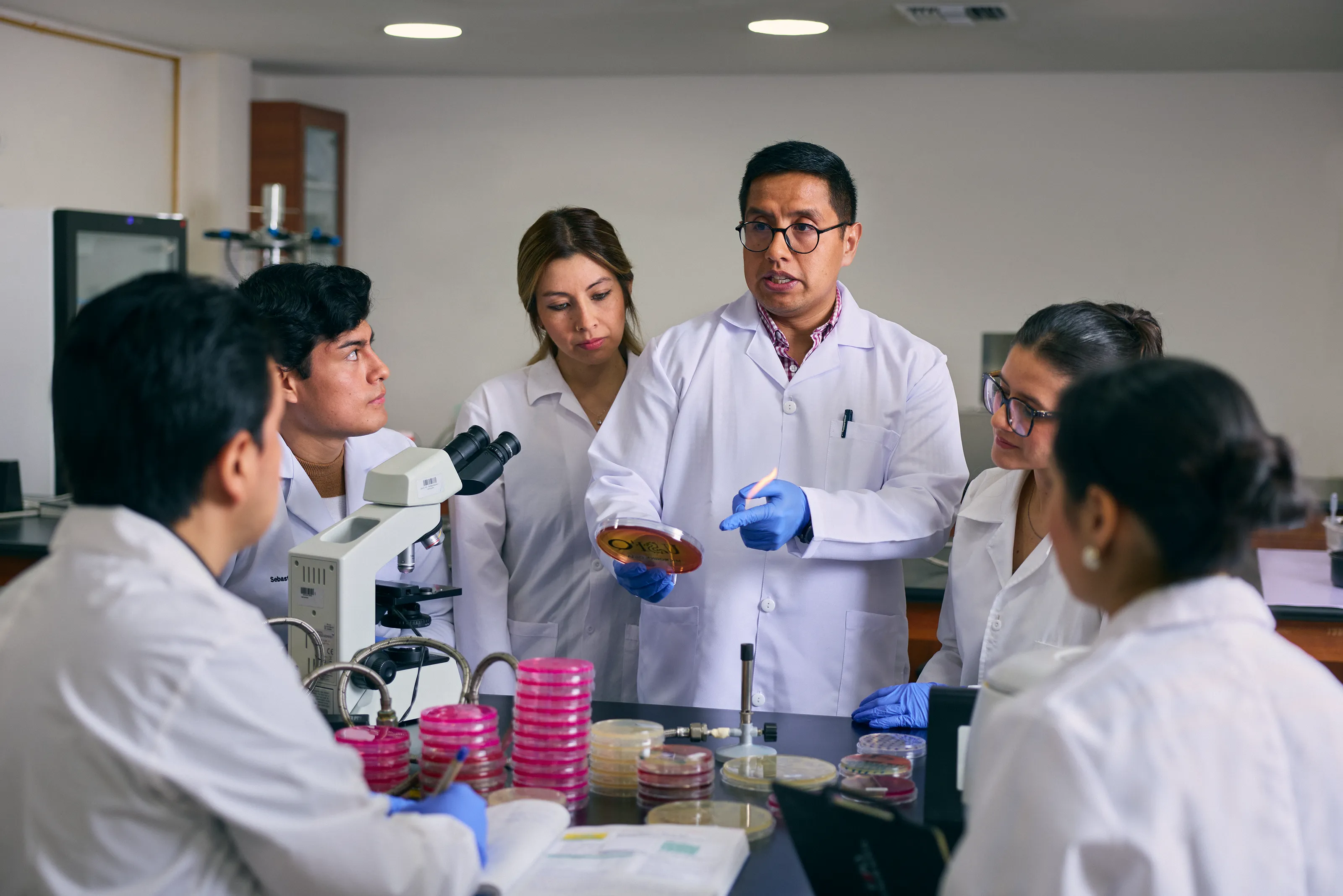
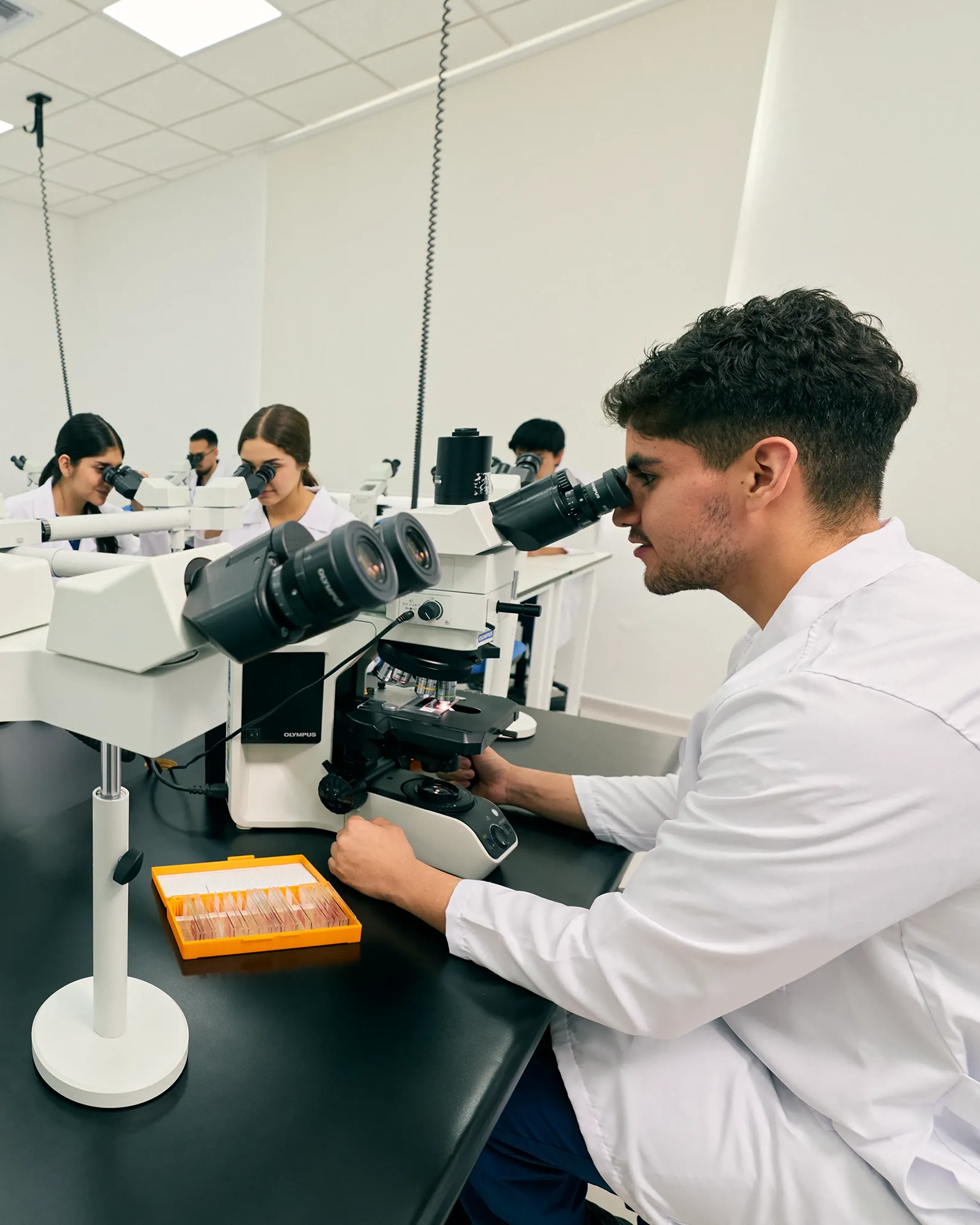
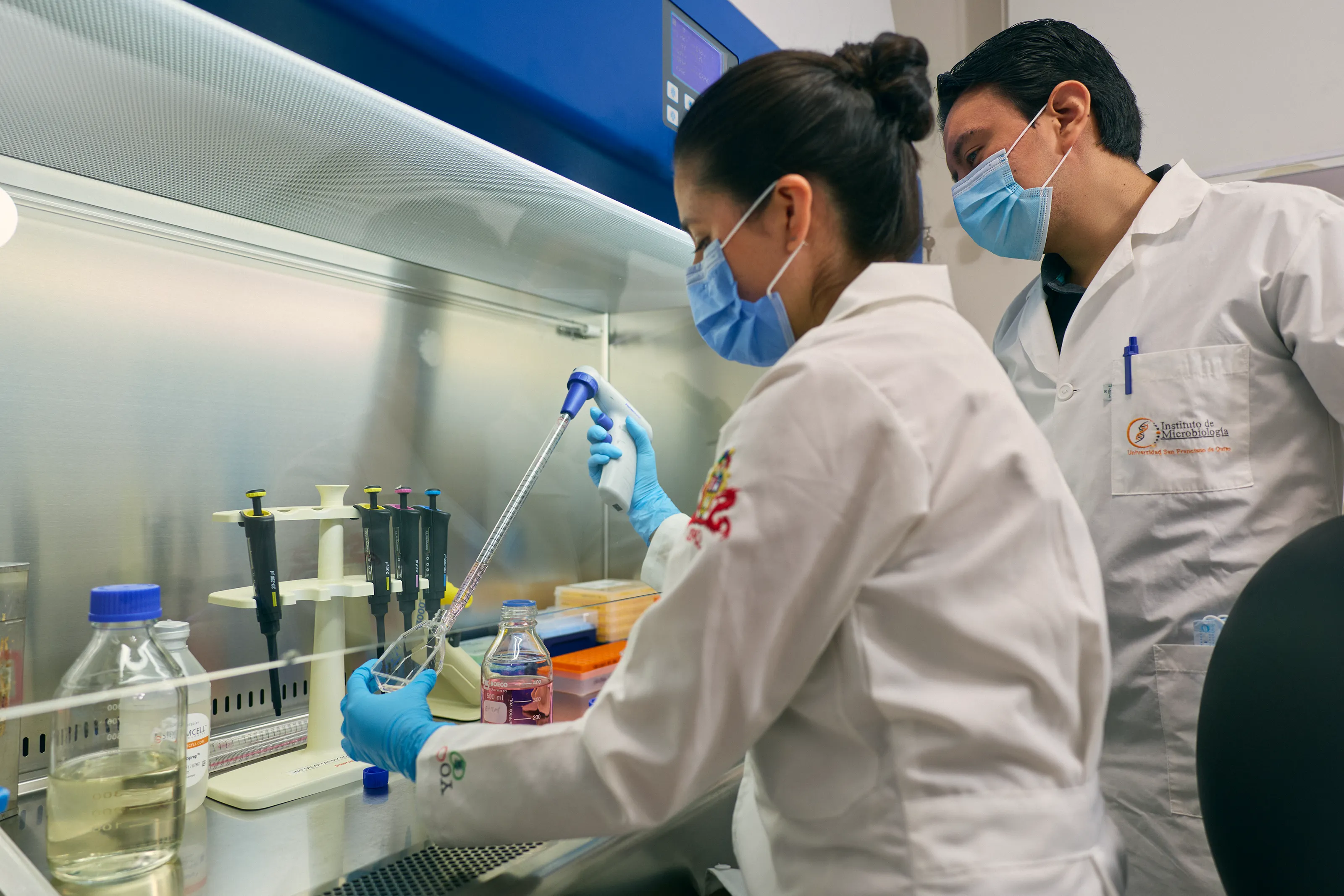
Your training takes place in specialized environments that allow advanced experimental research and access to scientific technology.
Includes
- Institute of Microbiology laboratories in bacteriology, virology, cell culture, genomics, parasitology and vectors.
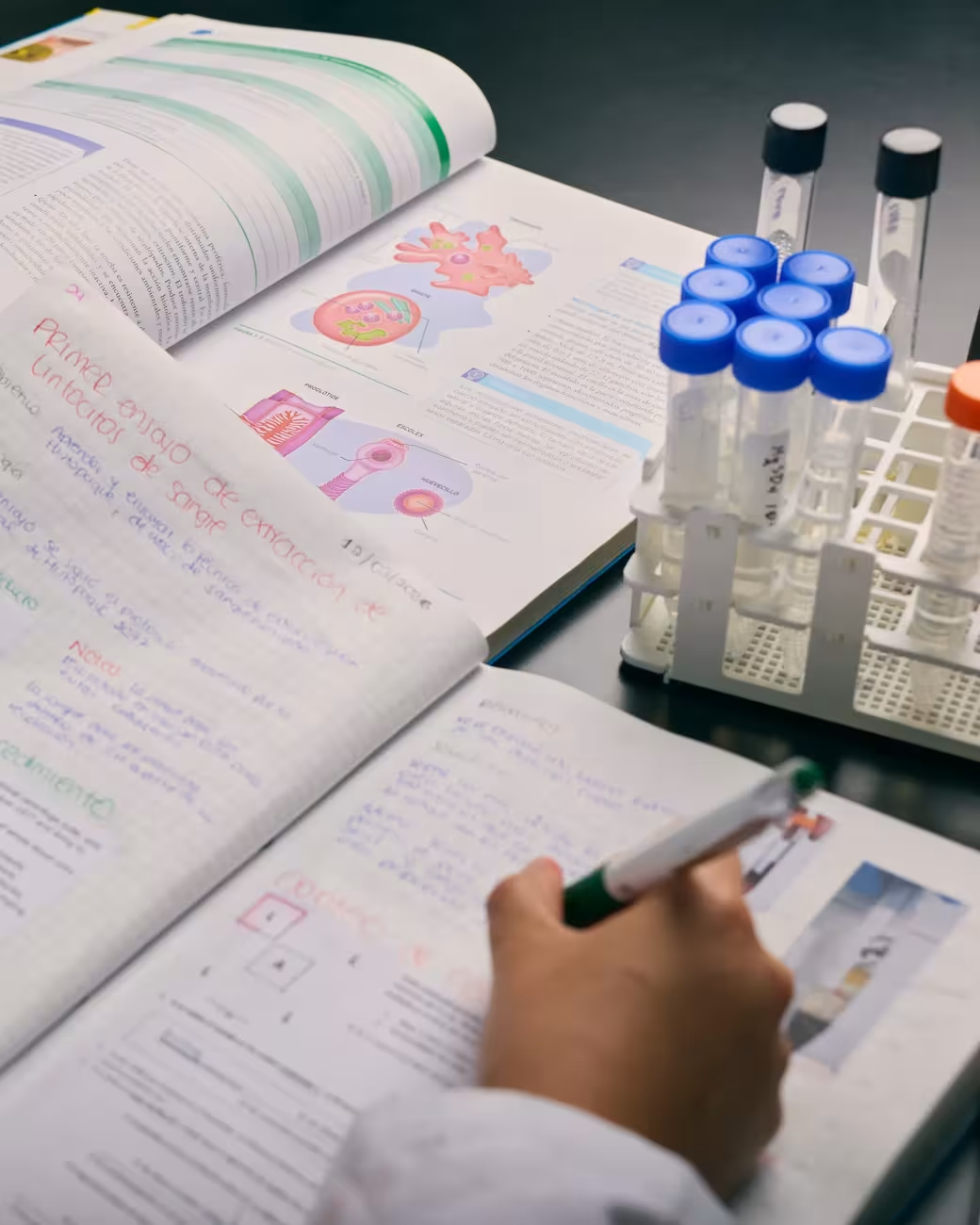
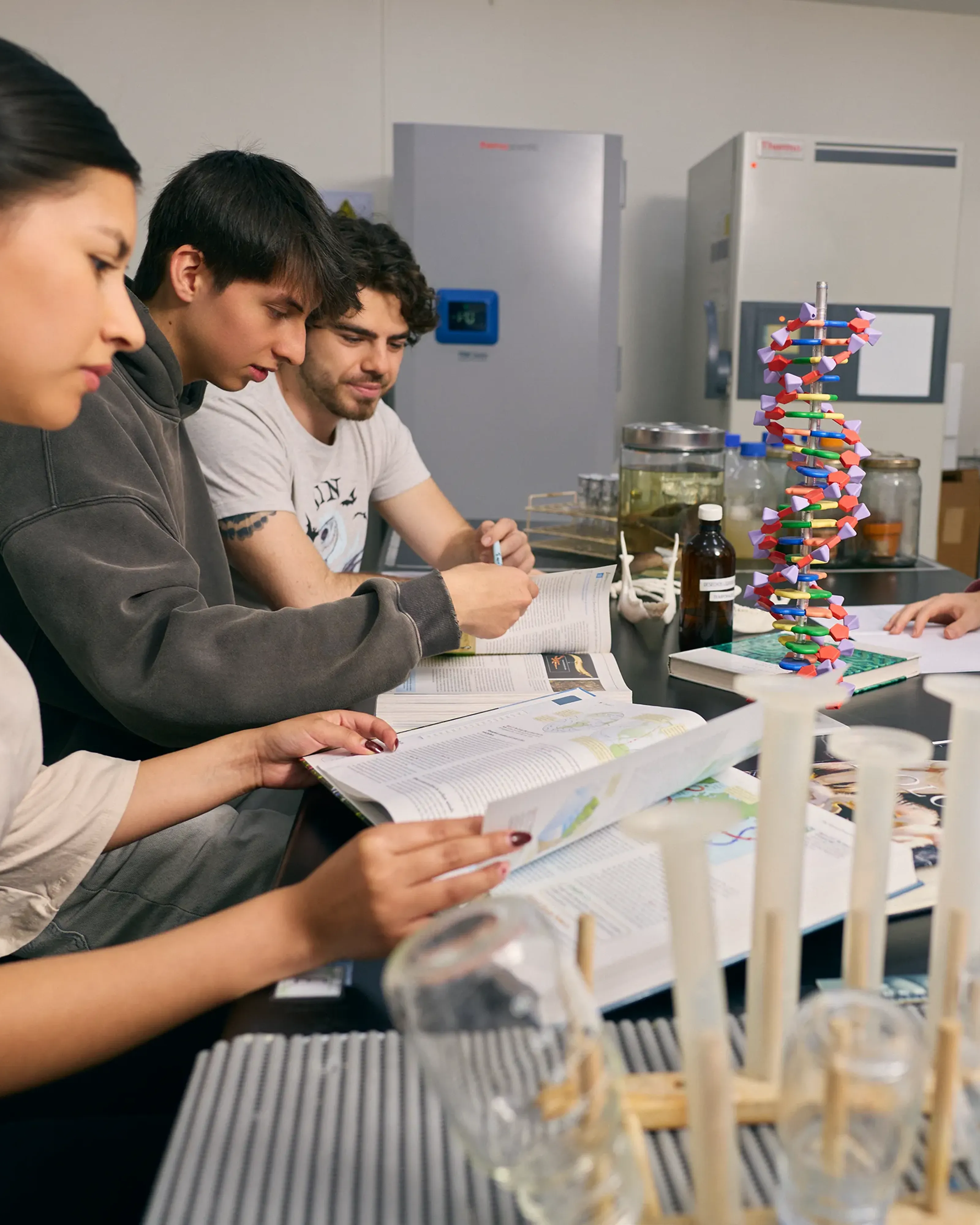
- Study spaces with access to up-to-date scientific literature.
- Plant, environmental, industrial microbiology and biotechnology laboratories at USFQ.