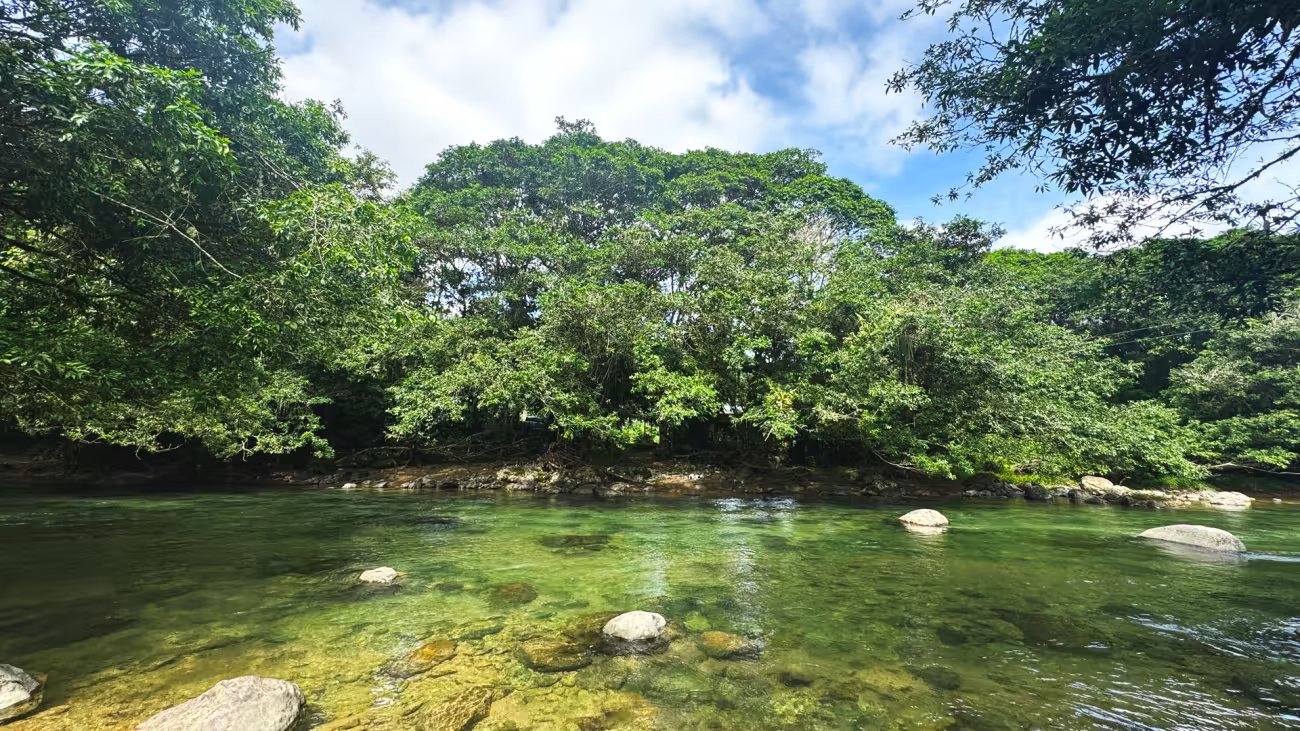
Master's in Environmental Solutions and Sustainability
Master's in Environmental Solutions and Sustainability
1 year (2 regular periods and 1 extraordinary period)
Credits:30
Híbrida
Total: $7.400
Enrollment: $672
Tuition: $6.728
- Monday to Thursday: 5:30 PM to 8:30 PM (synchronous virtual)
- Saturday: 8:30 AM to 5:30 PM (in-person once a month)
August, 2026
October 2025 to June 2026 (subject to available spots)
College of Sciences and Engineering (Polytechnic)
RPC-SO-31-No.473-2025, August 6, 2025
Campus Santiago Gangotena
Design solutions for a sustainable future
The Master's in Environmental Solutions and Sustainability at USFQ trains professionals capable of addressing environmental challenges through innovative, sustainable, and applied solutions.
Its approach integrates science, technology, and management to lead projects in areas such as water treatment, air quality, solid waste management, renewable energy, and sustainable financing in organizations and companies.
Turn environmental challenges into transformation opportunities toward a more sustainable future.
Program Objective
This master's degree prepares you to face complex environmental challenges and develop sustainable solutions that integrate scientific knowledge, technical tools, and data analysis.
You develop skills to lead projects in companies, environmental consulting firms, multilateral organizations, and public institutions.
You acquire technical, scientific, and applied training in environmental governance and management.
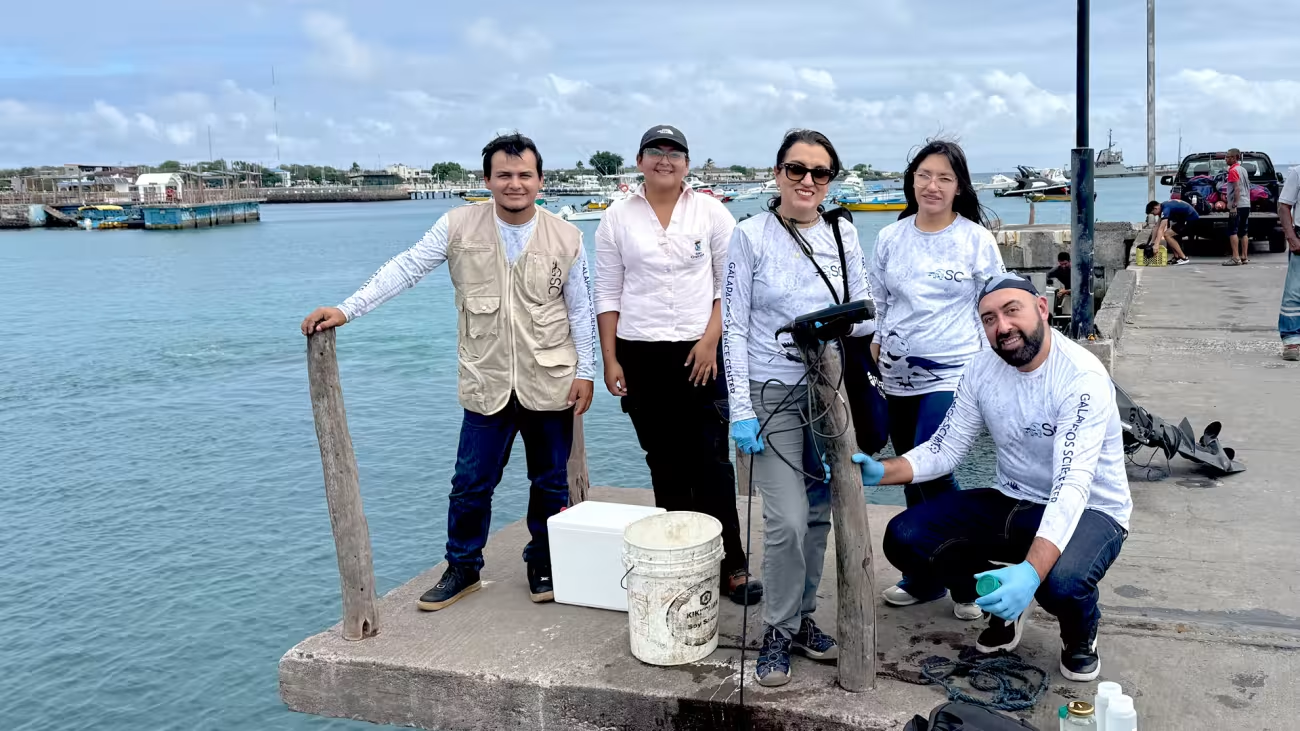
Sustainability Program in Galápagos Summer 2027. Technical visit to our USFQ Galápagos campus in San Cristóbal, includes Certificate of the Sustainability Program
Subject to availability. Cost not included in the program price
Applicant and Graduate Profile
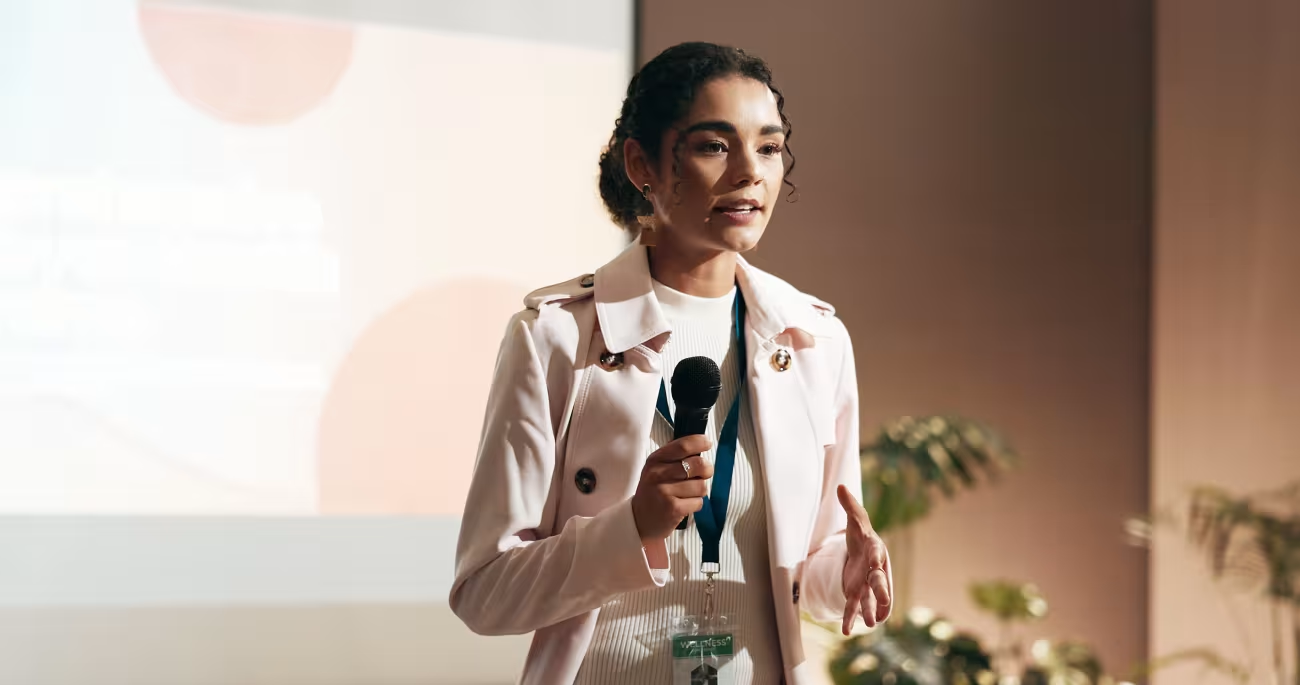
Who is this master's degree aimed at?
Professionals with a bachelor's degree in environmental engineering, chemical engineering, and related fields such as biotechnology, chemistry, or biology.
Those seeking to develop sustainable solutions related to water, air quality, waste, energy, and sustainability.
What will your professional outlook be?
You will develop the ability to design and implement innovative environmental solutions that integrate technical tools and data analysis to manage projects in water treatment, air quality, waste management, renewable energy, and sustainable financing.
You will be able to advise companies, institutions, and organizations, lead multidisciplinary teams, and propose sustainable solutions to emerging environmental challenges in the public and private sectors.
Think big and act sustainably
The Liberal Arts approach broadens the understanding of environmental challenges by integrating science, ethics, economics, public policy, sustainability, and communication.
This interdisciplinary perspective strengthens critical thinking, leadership, governance, and the ability to make informed decisions, all essential for designing sustainable solutions with social, environmental, and economic impact.
Furthermore, it prepares you to engage in dialogue with different sectors and transform ideas into viable actions for today's world.
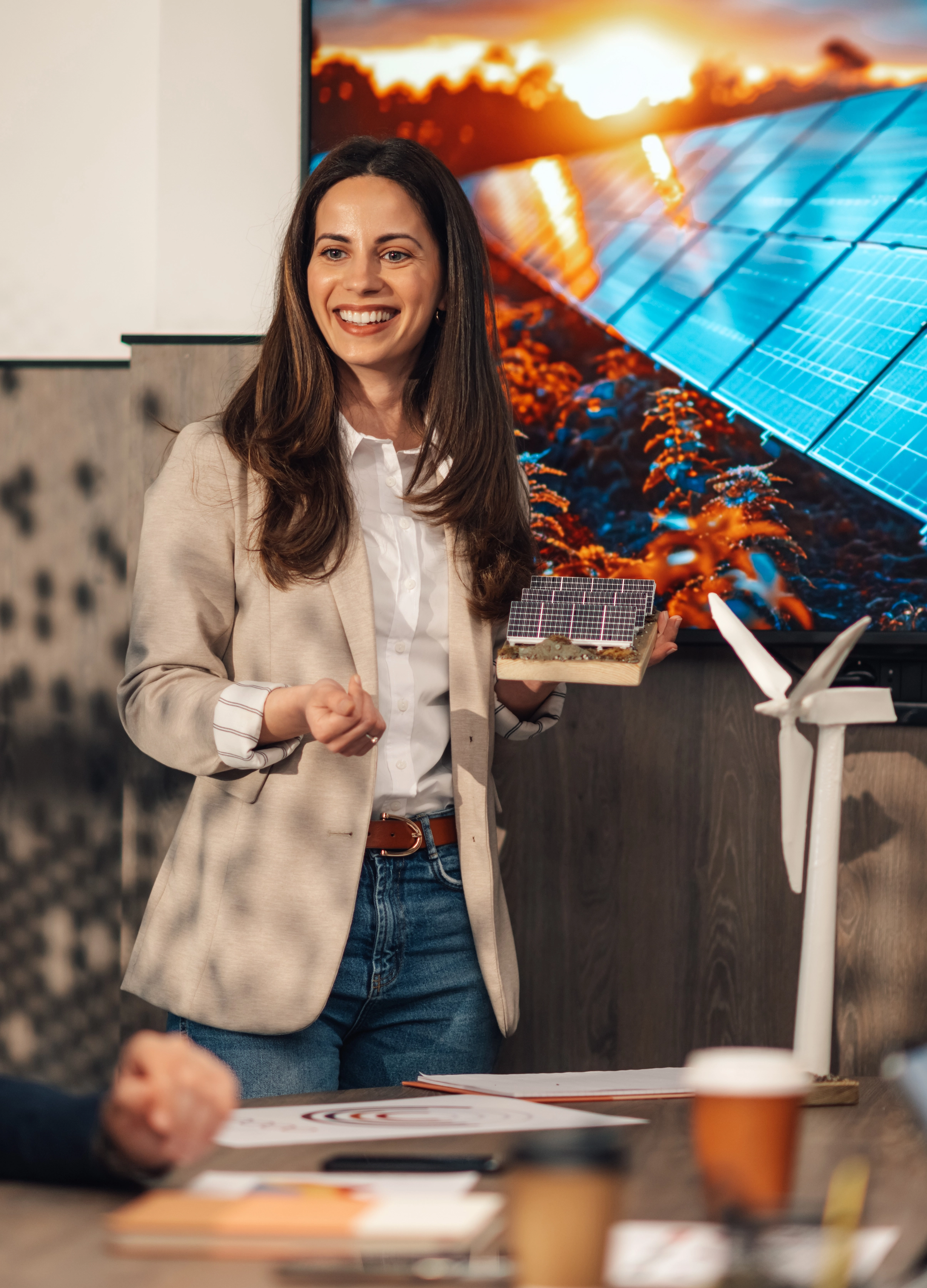
Your education in service of change
Your education connects you with companies, international organizations, public institutions, consulting firms, and organizations focused on sustainability and environmental management.
The program promotes the application of knowledge to interdisciplinary environmental problems through technical analysis, innovation, and a strategic approach.