Master's in Tropical Ecology and Conservation
Master's in Tropical Ecology and Conservation
5 academic terms (4 regular and 1 extraordinary)
Courses: 14
Credits:58
In-person (English)
$14.729
Enrollment: $1.339
Tuition: $13.390
Total value with scholarship for Ecuadorians and residents: $11.500 (enrollment = $1045; tuition = $10.455 ) . Also applies to Latin American applicants with high performance in the admission process.
Depending on the availability of resources, the program will offer additional scholarships (see SCHOLARSHIPS section).
The number of daily hours may vary, depending on the schedule of each day. Field trips may include weekends.
August 17, 2027
Nationals and residents: From October 2026 to May 2027
For scholarship allocation, priority will be given to applicants who apply before April 30, 2027.
International students: From August 2026 to March 2027
College of Biological and Environmental Sciences (COCIBA)
RPC-SO-19-No.411-2020, August 26, 2020
Campus Santiago Gangotena
Explore unique ecosystems and protect life
The Master's in Tropical Ecology and Conservation at USFQ prepares you to understand tropical ecosystems through science, fieldwork, and applied research.
You analyze ecological processes, face conservation challenges, and develop solutions for current environmental problems.
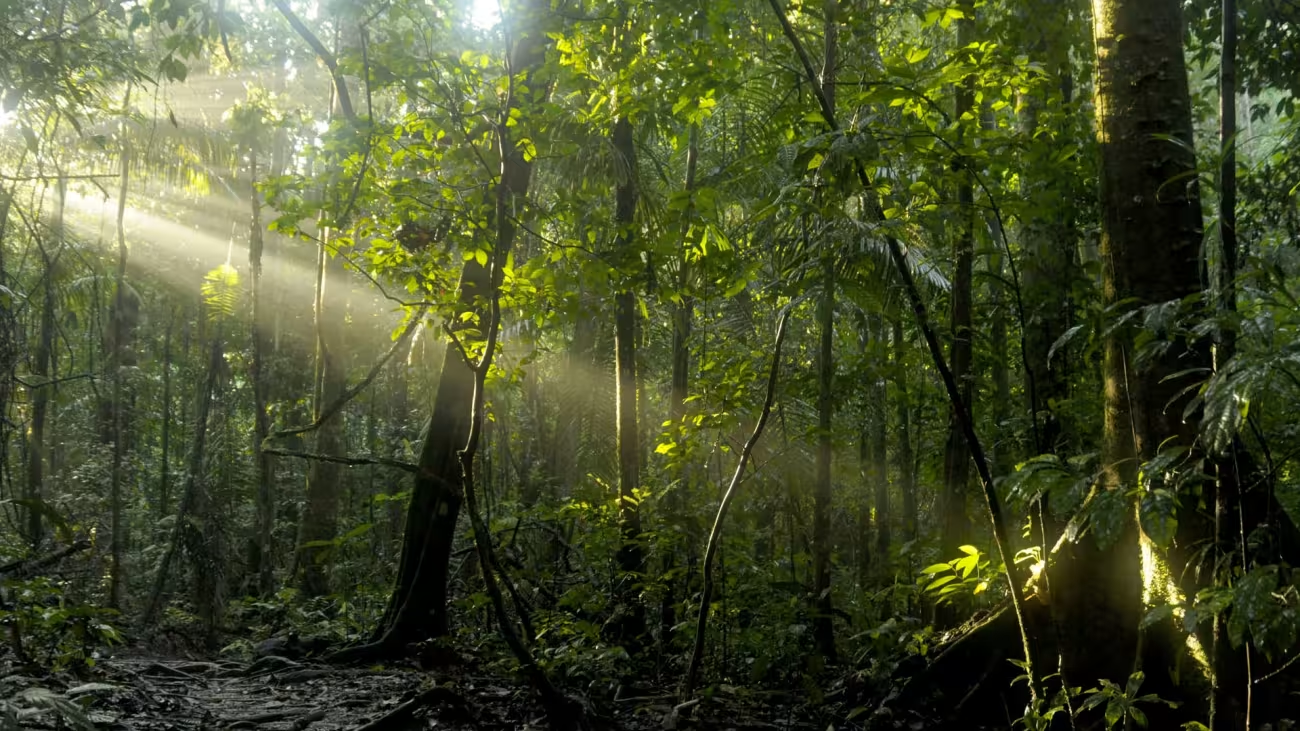
Program Objective
You acquire knowledge and tools to research, evaluate and manage tropical ecosystems from a scientific and applied perspective.
Your training allows you to develop conservation projects, ecological restoration, management of protected areas and environmental analysis.
Download catalog Master's in Tropical Ecology and Conservation
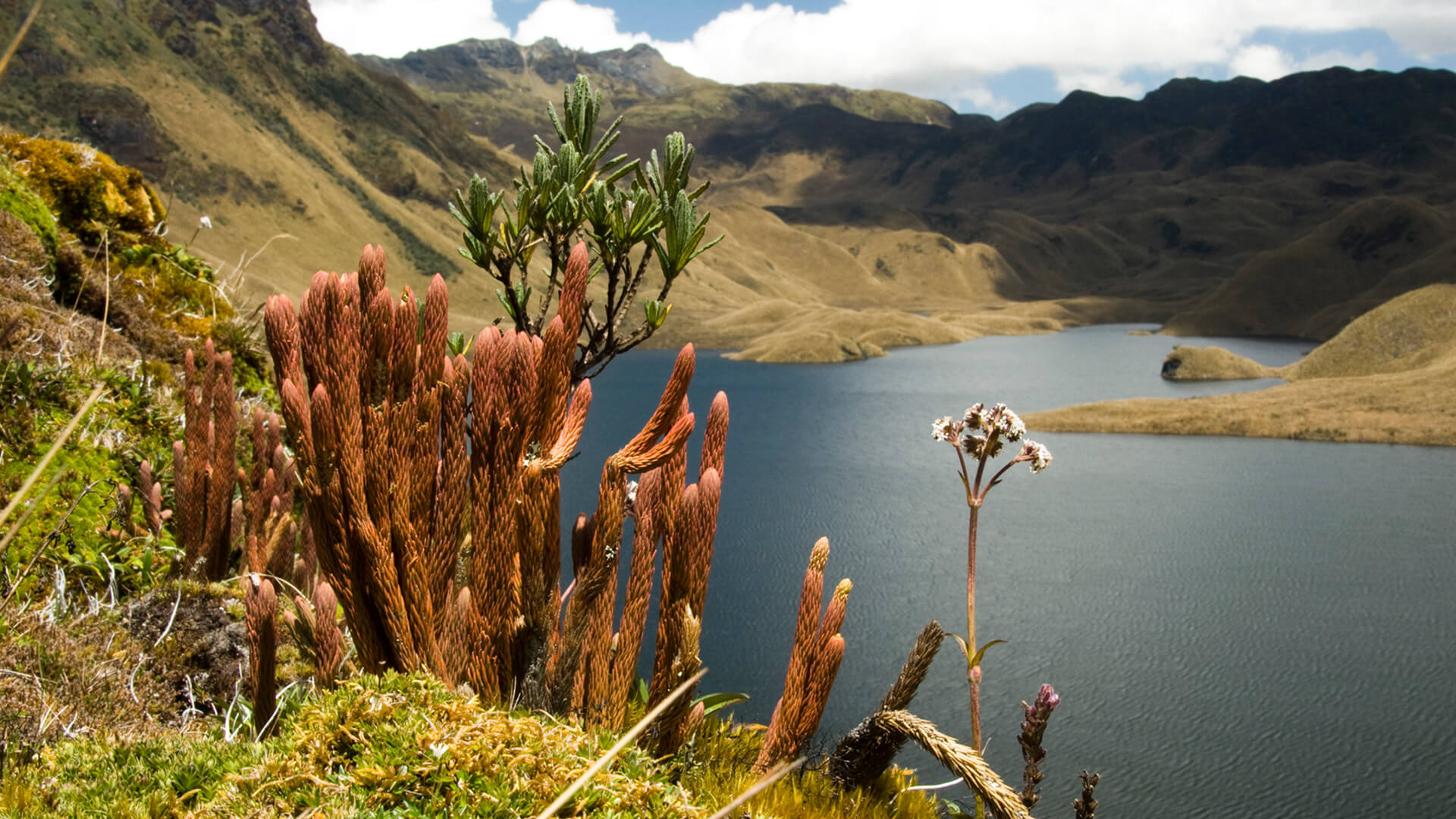
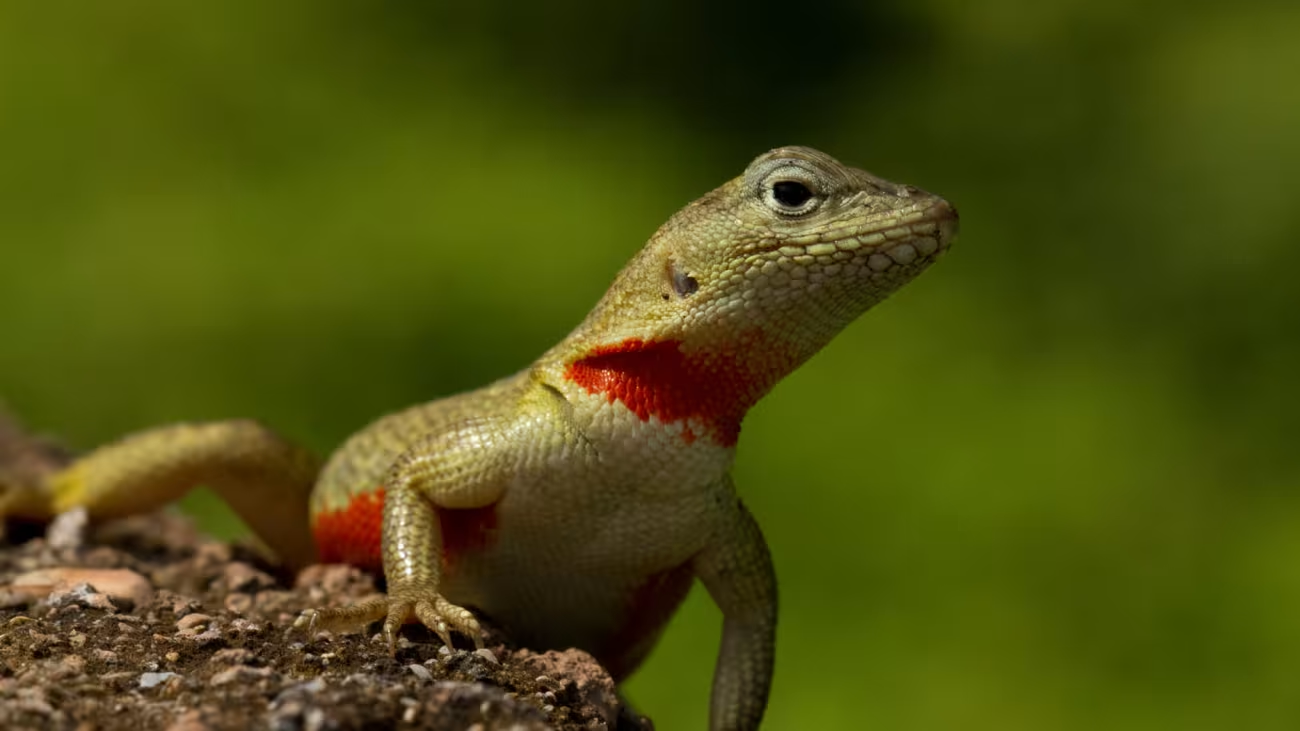
Applicant and Graduate Profile
Who is this master's program designed for?
For professionals with a background in biology, environment, natural resources, or related fields who seek to specialize in research, conservation, and fieldwork in high-biodiversity ecosystems.
What will your professional outlook be?
You will research ecological processes, lead conservation projects, and participate in initiatives linked to environmental policy and ecosystem management.
You will apply these competencies in communities, non-governmental organizations (NGOs), public institutions, research centers, and academic settings.
You will be able to contribute to the development of evidence-based solutions, with an impact on biodiversity conservation and territorial sustainability.
Take care of the planet with a comprehensive perspective
The Liberal Arts model broadens your view of ecosystems from the perspectives of biology, ethics, environmental policy, communication, and social sciences.
You develop an interdisciplinary vision to analyze complex problems and communicate science with clarity, rigor, and ethics.
Additionally, you strengthen your abilities to work in diverse and multidisciplinary research teams.
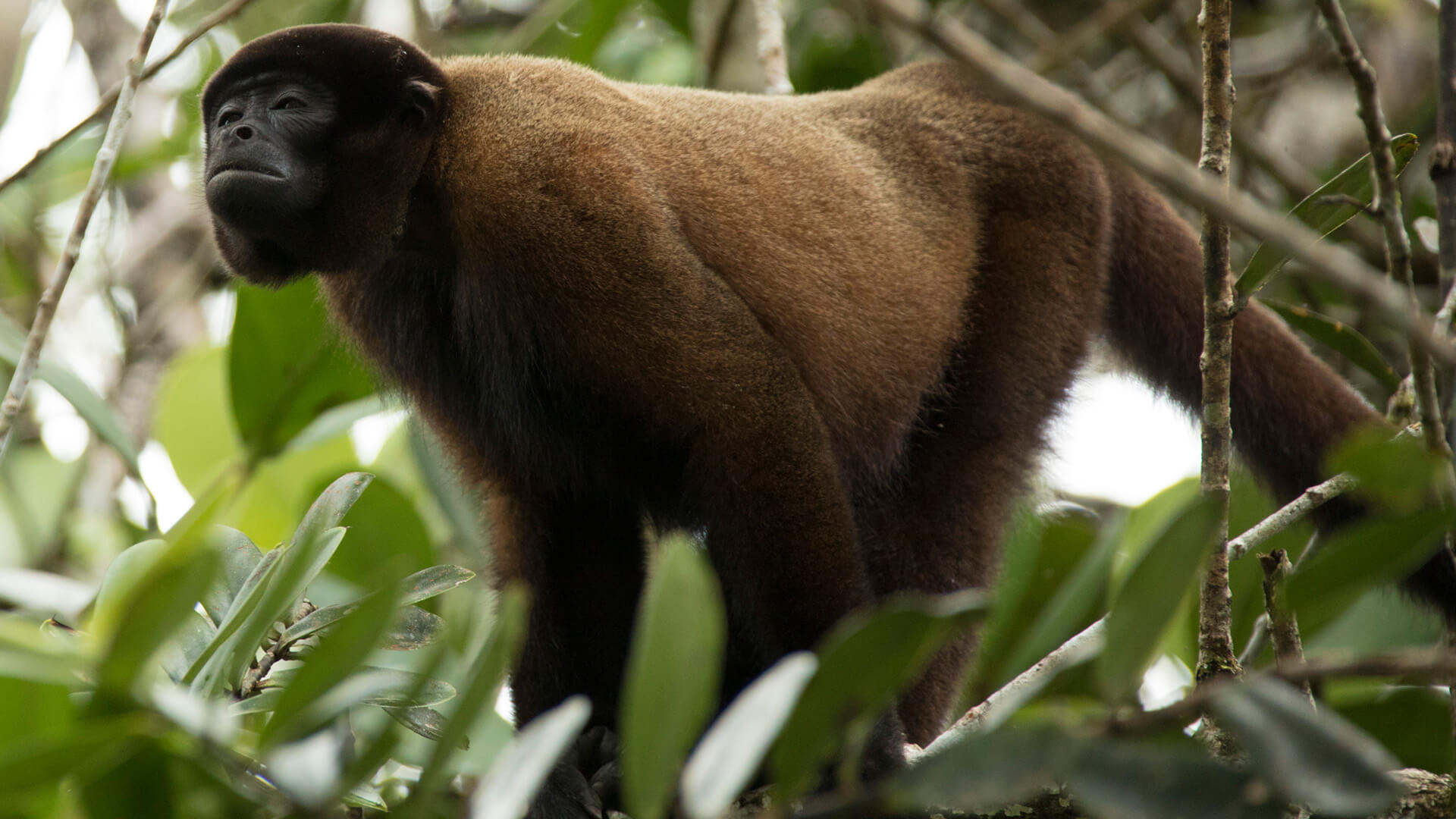
Living spaces that drive your research
You learn in ecosystems outside the classroom and access specialized laboratories that strengthen your scientific training.
Includes
- Natural reserves and protected areas.
- Specialized laboratories.
- Collaborative projects with non-governmental organizations (NGOs) and research groups.