Engineering in Applied Mathematics and Computing (MAC)
Engineer in Applied Mathematics and Computing
9 semesters
Credits:139
In-person
College of Sciences and Engineering (Polytechnic)
RPC-SO-01-No.010-2023
Campus Santiago Gangotena
Model the world and predict the future
In Applied Mathematics and Computing Engineering (MAC) at USFQ, you learn to transform data into mathematical models and computational solutions. You combine advanced mathematics, programming, and data science to design precise, evidence-based answers.
You develop simulations, algorithms, and predictive models—from process optimization to artificial intelligence—to understand complex phenomena in science, industry, and technology.
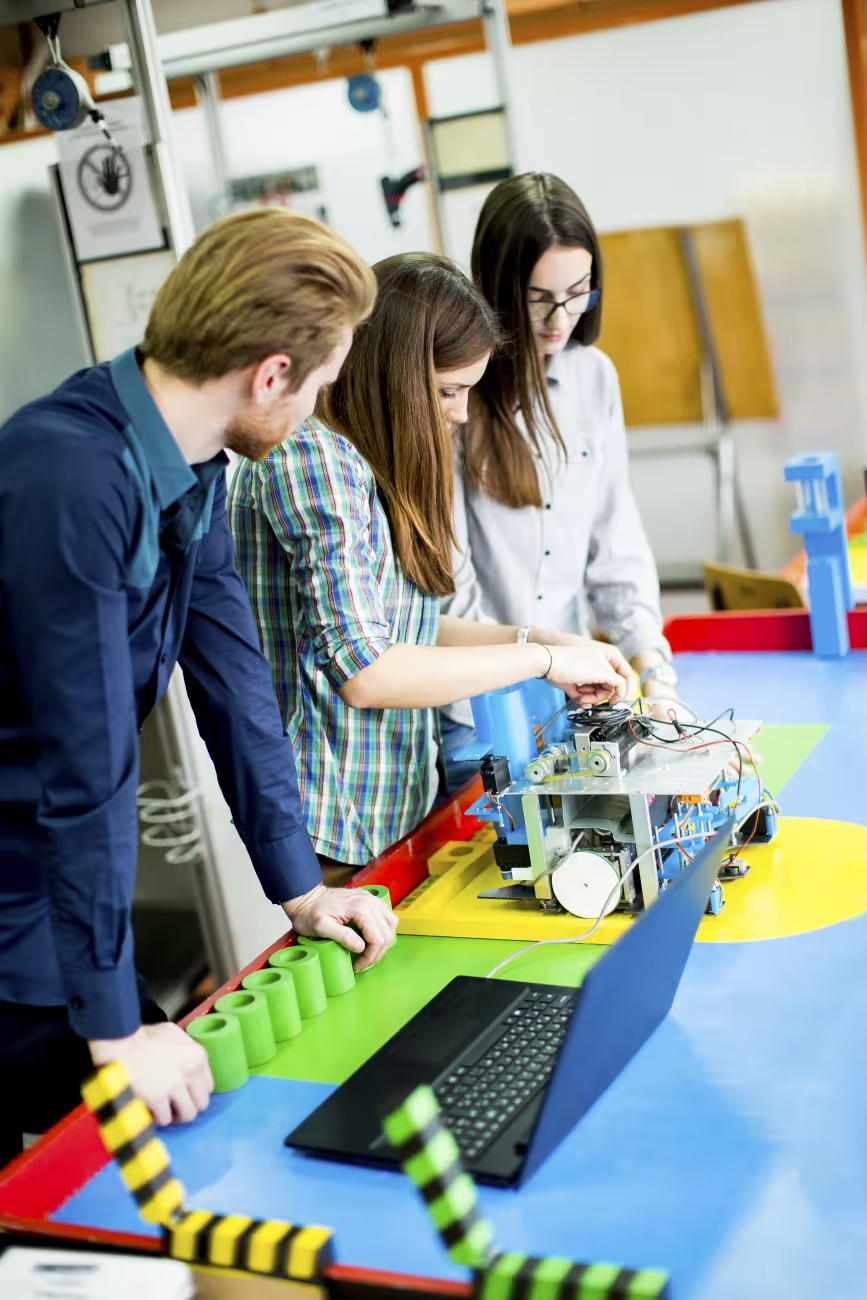
Build the future with data and algorithms
You connect applied mathematics with data science, machine learning, artificial intelligence, programming, physics, economics and engineering to solve problems through computational models.
In MAC you learn to work with data, build algorithms and develop simulations to analyze, predict and optimize complex systems. The Liberal Arts approach allows you to communicate technical ideas clearly, work in interdisciplinary teams and evaluate the ethical and social impact of technology.
USFQ Method
- The program combines theoretical-practical classes with a focus on problem solving, experimentation and projects. In a single course you can move from mathematical formalization to programming simulations or algorithms that bring those ideas to life.
- Active learning, critical discussion, academic writing, teamwork and interdisciplinarity are promoted, aligned with the Liberal Arts philosophy of USFQ.
- In MAC you not only learn to solve technical problems, but also to communicate complex ideas, collaborate in diverse teams and think with creativity and responsibility.
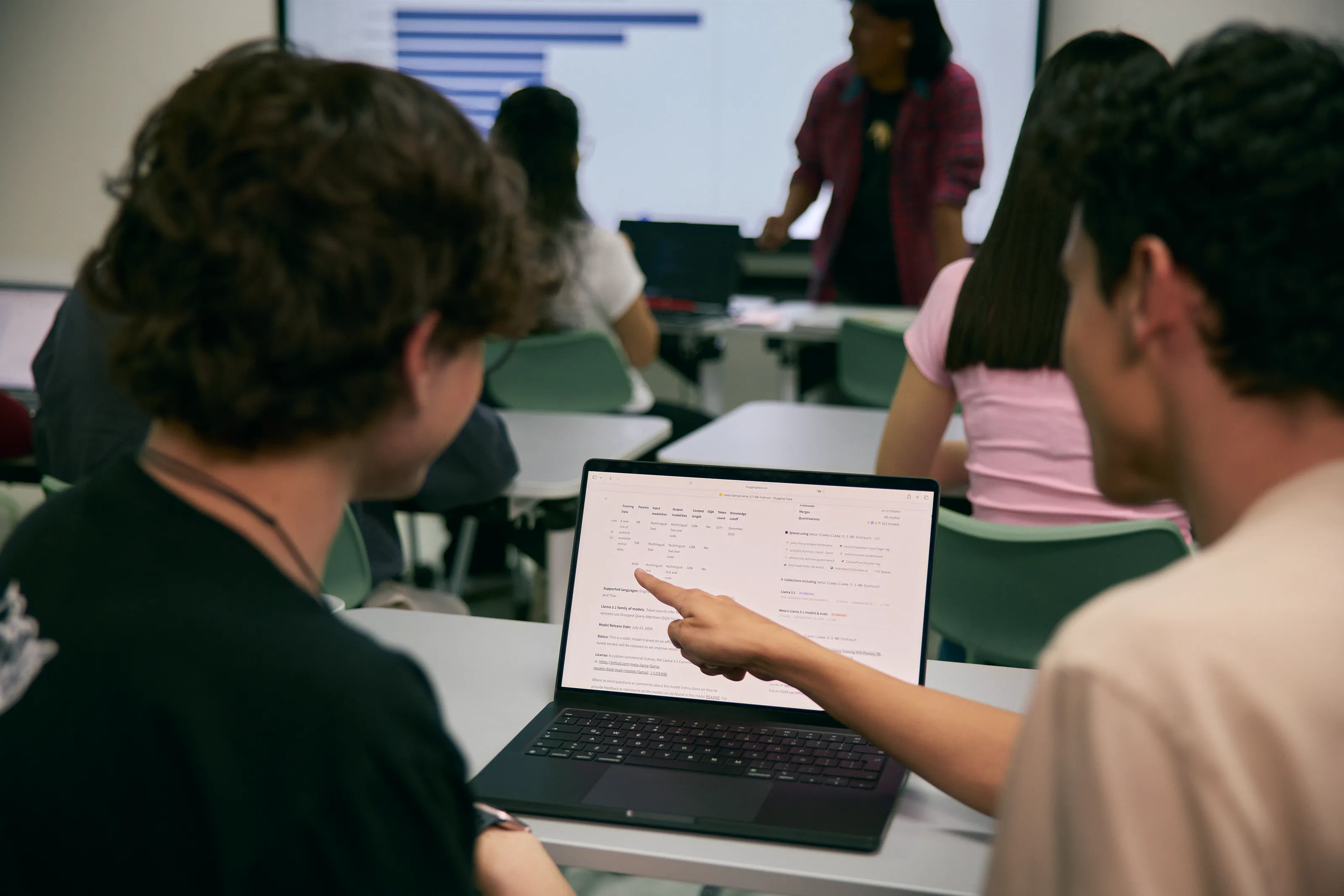
Solve problems with applied mathematics
You build predictive models, optimize processes, and develop simulations and artificial intelligence with real data. Each project integrates rigorous mathematics and programming to generate measurable results.
You learn to analyze data, program algorithms, and develop technological solutions with scientific and business impact.
Block Curriculum - Engineering in Applied Mathematics and Computing 2026

Applicant and Graduate Profile
Who is the program intended for?
For students with an interest in numbers, problem-solving, and programming, who seek to understand how mathematics applies to the real world.
For those who enjoy working with algorithms, models, and technological tools to solve complex problems.
What will your professional outlook be?
You will develop skills to apply mathematical methods in the creation of technological solutions, data analysis, and systems modeling.
You will be able to work in data science, artificial intelligence, software development, research, consulting, and areas where mathematics drives innovation.
Scholarships
Talent needs space to grow.
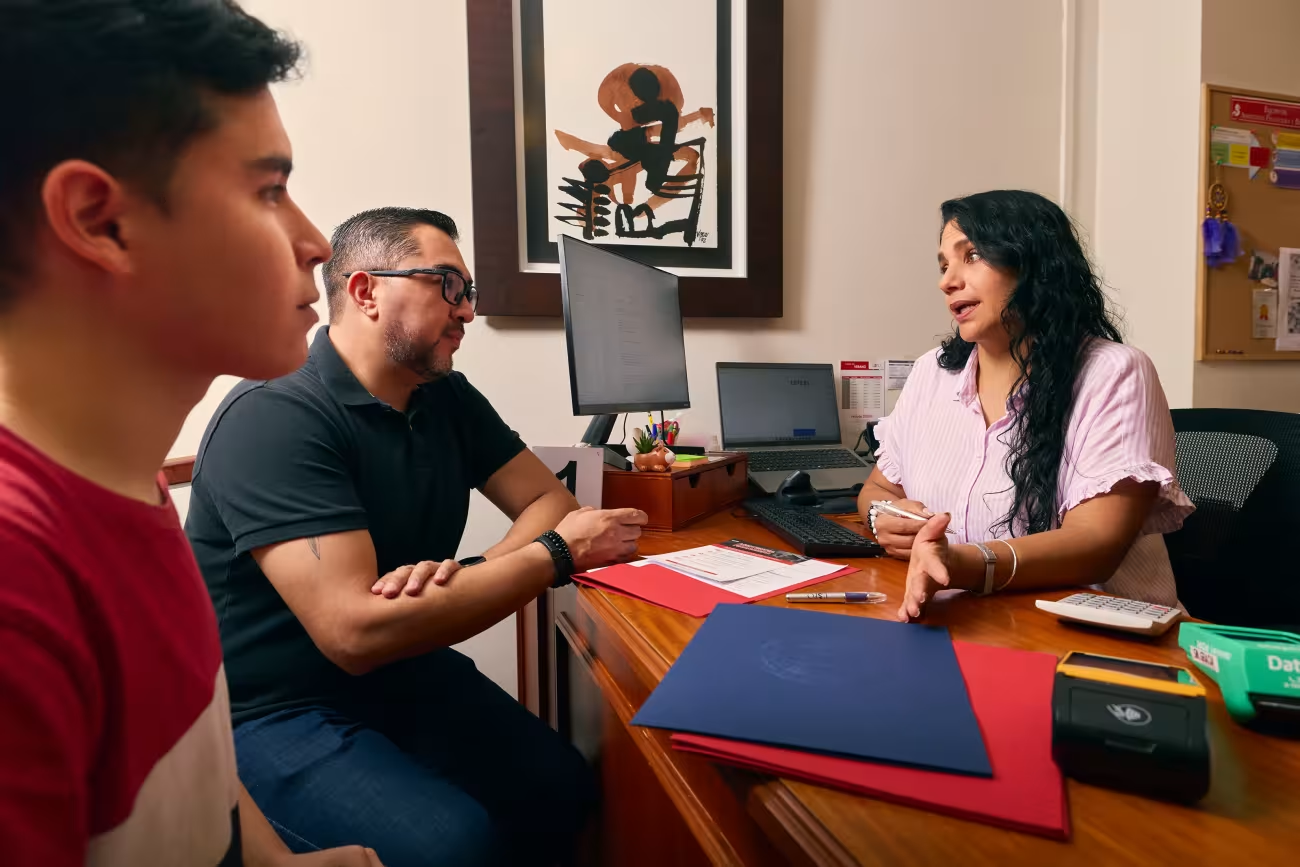
During your admissions process you can apply for the scholarships offered by USFQ. These recognize academic merit, discipline, leadership and performance in different areas, and are designed to propel you from the start of your career.
Financial Assistance
Being educated with freedom also means having timely support.
USFQ offers financial assistance programs and personalized guidance so that your decision to study is clear, responsible, and achievable.
Contact Us
If you still have questions, write to us and we will be happy to assist you.
Felipe Grijalva
Professor of Computer Science Engineering
Director of Master's in Artificial Intelligence
Coordinator of Applied Mathematics and Computing Engineering
Director of Master's in Data Science
Office H309
(+593 2) 297 1700 ext.1245
fgrijalva@usfq.edu.ec
Andrea Alexandra Mosquera
Undergraduate Administrative Assistant
Office Maxwell Building, M-112A
(+593) 2-297-1700 ext. 2140
amosquera@usfq.edu.ec
Berónica Dávila
Academic Coordinator
Office Hayek Building, H338
(+593 2) 297-1700 ext. 2101
bdavila@usfq.edu.ec