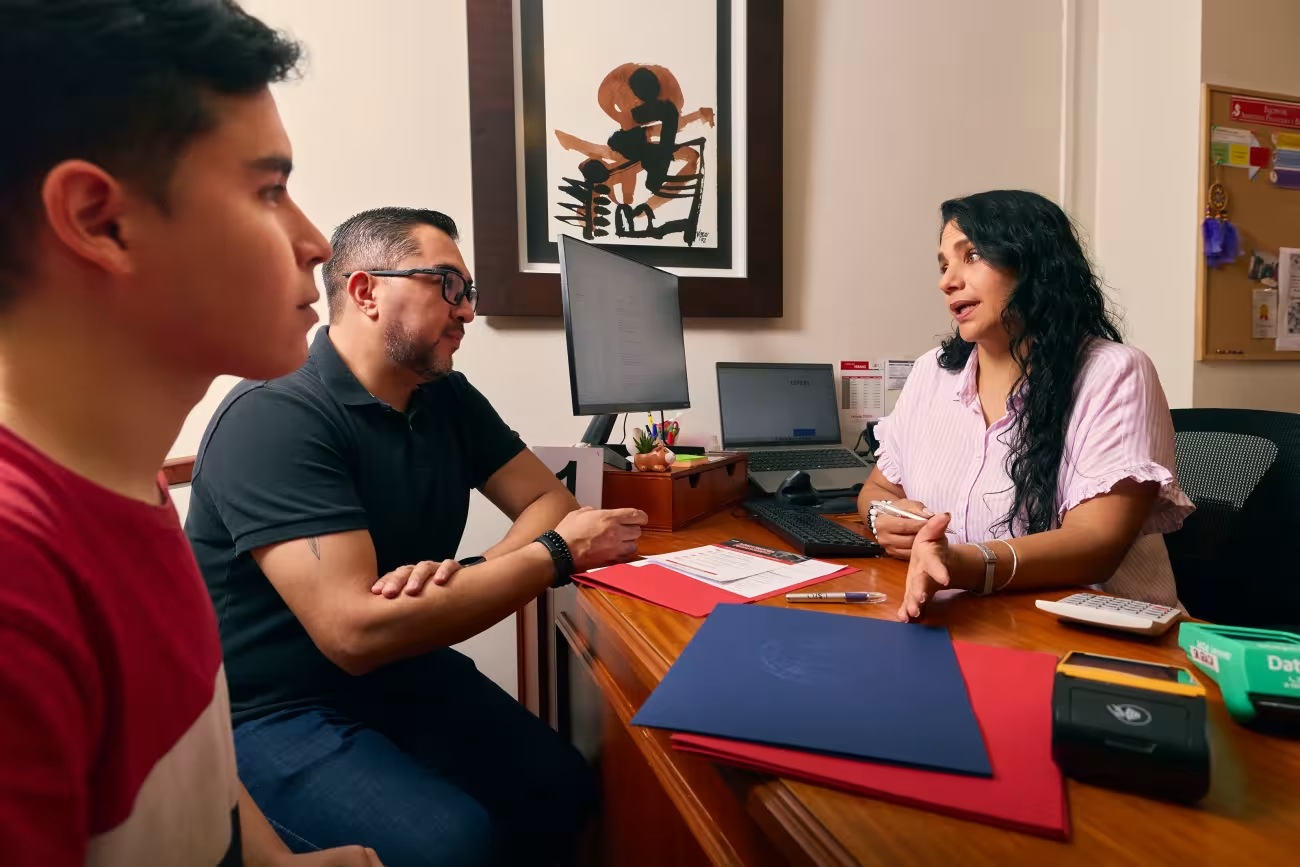
Industrial Engineering
Industrial Engineer
9 semesters
Credits:142
In-person
College of Sciences and Engineering (Polytechnic)
RPC-SO-05-No.098-2020
RPC-SO-22-No.369-2016
Campus Santiago Gangotena
Optimize systems that generate value
In Industrial Engineering at USFQ, you learn to analyze, design, and optimize processes to improve the efficiency of organizations and productive systems.
You work with data, technology, and management to make decisions that impact quality, costs, and productivity.
Your training is structured around five key areas that are integrated throughout the program:
- Engineering Management and project management
- Quality management and continuous improvement
- Data analytics and business intelligence
- Ergonomics, human factors, occupational safety, and environment
- Operations, logistics, and supply chain
You prepare to solve complex problems with technical judgment, precision, and strategic vision.
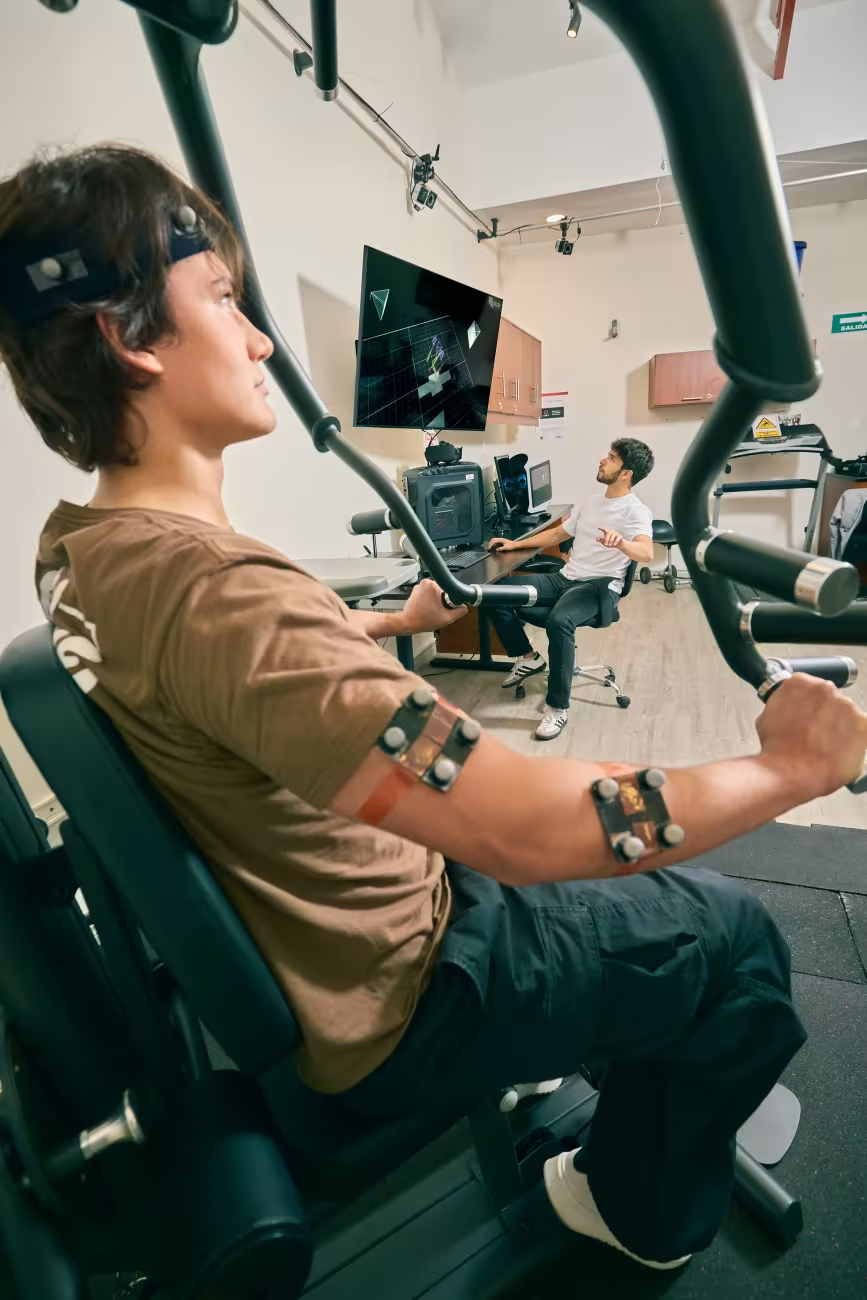
Systems with comprehensive vision
The Industrial Engineering program integrates mathematics, statistics, processes, technology, management and decision-making.
The Liberal Arts model broadens your perspective: you understand how people, systems and the environment interact in every process.
You don't just apply tools: you understand how and why the systems you optimize work.
USFQ Method
- USFQ's Industrial Engineering revolutionizes the way of learning through an active learning methodology that turns every classroom into a space of innovation and creativity. Our students are not passive recipients; they are the protagonists of their education, participating in dynamic discussions, solving real cases and working collaboratively in multidisciplinary teams that simulate today's professional environment. From the Industrial Engineering Workshop course to the Integrative Project, each course is developed through collaborative projects where students co-create solutions, debate global perspectives and build collective knowledge. Teamwork is not just a methodology; it is a way of understanding the modern world where future engineers learn that great changes are born from intelligent and active collaboration. Our commitment goes beyond the classroom — we train socially responsible engineers who design sustainable solutions for real communities. Many projects integrate environmental awareness and social responsibility, because we believe that true engineering, in addition to optimizing the way companies work, also incorporates improvements in people's lives while supporting sustainability. Here you live engineering, you collaborate to transform, and you graduate as a conscious leader, prepared to build a better world.
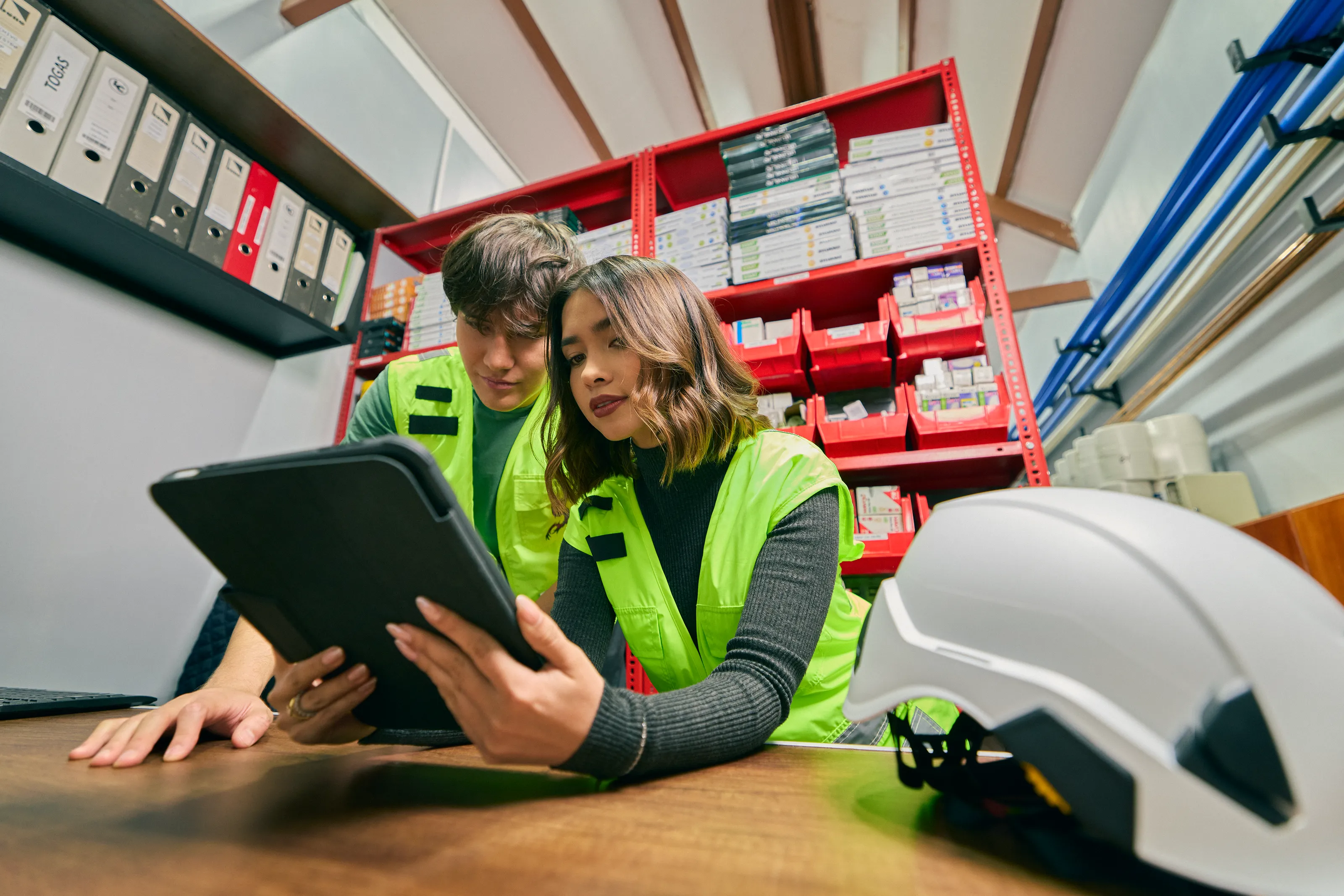
Explore a new way of understanding engineering
From the first semesters you work on applied projects: you analyze processes, identify improvement opportunities and propose viable solutions. You develop models, optimize systems and make data-driven decisions in specific contexts.
Your training is enhanced with interdisciplinary projects and exchanges that broaden your vision of the productive sector.
You graduate with tools, methodologies, software, and methods to manage, optimize and lead projects, teams and organizations toward the achievement of concrete and profitable results.
International Accreditation
Educational Objectives
The Industrial Engineering program is designed with the goal that our graduates will be able to achieve the following professional milestones within 3-5 years after graduation:
Be able to optimize organizational systems by applying industrial engineering tools to achieve efficient and effective solutions.
Be able to add value to organizations through their effective communication and teamwork skills; demonstrating leadership and innovation framed within solid ethical and social values.
Be able to recognize the importance of the continuous acquisition of knowledge and skills to adapt to business needs and technological advances.
Student Outcomes
The Industrial Engineering program is designed with the goal that our students acquire the following skills and knowledge:
Engineering Problems: Identify, formulate, and solve complex engineering problems by applying principles of mathematics, science, and engineering.
Systems Design: Apply engineering design/techniques to produce solutions that meet specific needs taking into account public health, safety, and welfare, as well as global, cultural, social, environmental, and economic factors.
Effective Communication: Communicate effectively with a diverse range of audiences.
Responsibility: Recognize ethical and professional responsibilities, and make informed judgments that consider the impact of engineering solutions in global, economic, environmental, and social contexts.
Teamwork: Function on a work team whose members provide leadership, create a collaborative and inclusive environment, establish goals, plan tasks, and meet objectives.
Experimentation & Data Analysis: Design and conduct experiments, analyze and interpret data, and draw conclusions.
Lifelong Learning: Acquire and apply new knowledge using appropriate learning strategies.
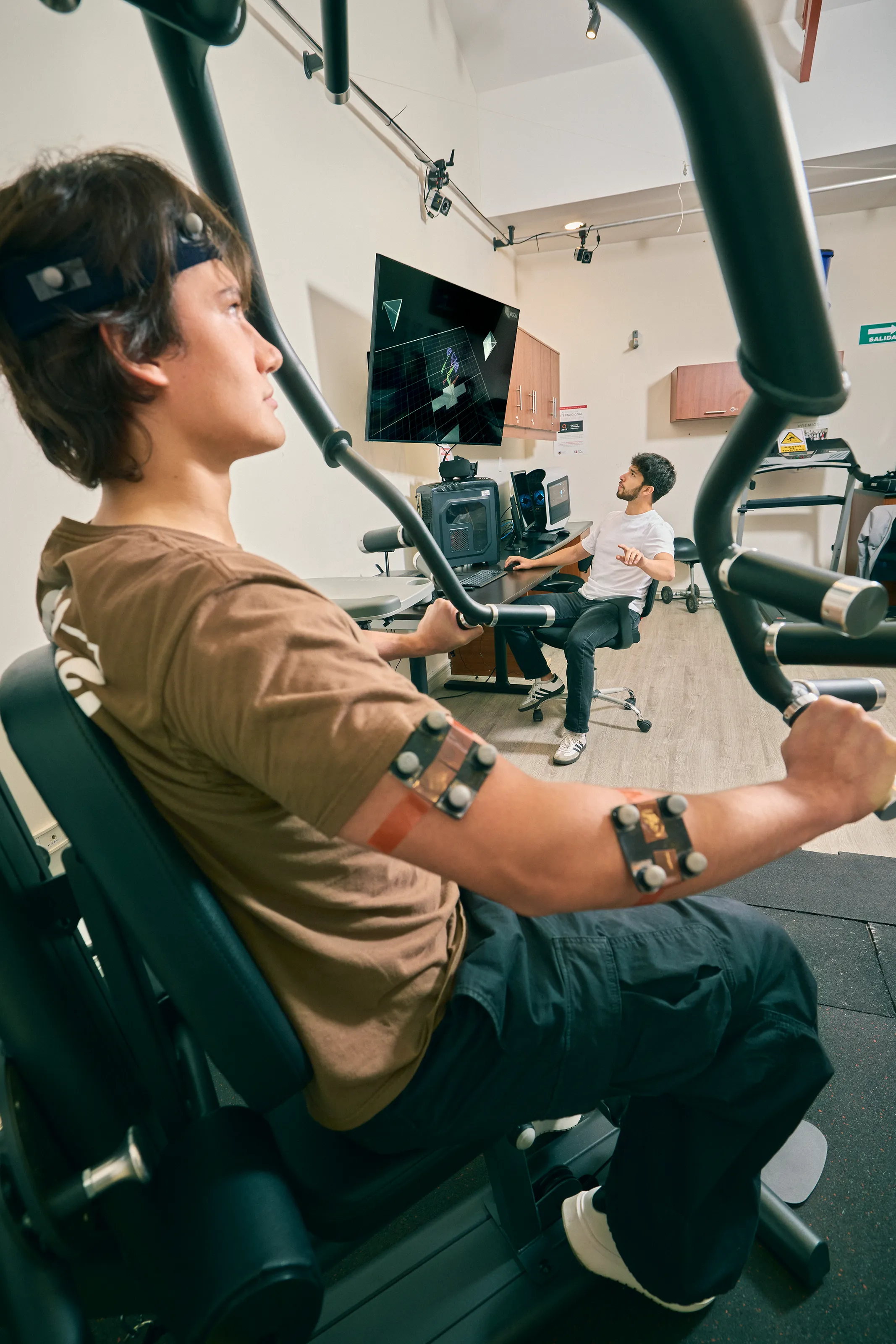
Accreditations

La carrera de Ingeniería Industrial está acreditada desde el año 2017, por la Comisión de Acreditación de Ingeniería de ABET, https://www.abet.org , bajo los Criterios Generales y los Criterios de Programas de Ingeniería Industrial y de Ingeniería con Nombres Similares.
-
La carrera de Ingeniería Industrial está acreditada desde el año 2017, por la Comisión de Acreditación de Ingeniería de ABET, https://www.abet.org , bajo los Criterios Generales y los Criterios de Programas de Ingeniería Industrial y de Ingeniería con Nombres Similares.
From the Classroom to Innovation
Graduates work in any company in areas such as: manufacturing, logistics and supply chain, consulting, AI data analytics, quality, energy, health, banking and insurance, retail, technology, ergonomics and occupational safety, environment, telecommunications and their own ventures.
"At USFQ I loved my liberal arts education that taught me to read and learn from everything with the goal of leaving a mark on this world, doing good every day with my dreams and my passion. It taught me that nothing is impossible".
Alba María Cabezas
From the classroom to innovation
Graduates work in manufacturing, logistics, consulting, energy, healthcare, retail, technology, and their own ventures.
"I learned to see every process as an opportunity to make it simpler and more efficient".
—Daniela Soria
Wherever there is a system to improve, you can make a difference.
From the Classroom to Innovation
Graduates work in manufacturing, logistics, consulting, energy, healthcare, retail, technology, and their own ventures.
"I learned to see every process as an opportunity to make it simpler and more efficient".
—Daniela Soria
Wherever there is a system to improve, you can make a difference.