Journalism
Bachelor's Degree in Journalism
8 semesters
Credits:127
In-person
College of Communication and Contemporary Arts - COCOA
RPC-SO-04-No.080-2020
RPC-SO-26-No.499-2016
Campus Santiago Gangotena
Valuable information that moves the world
Studying Journalism at USFQ means researching, verifying, and contextualizing data in an era marked by disinformation. You tell stories and create valuable content that strengthens freedom, democracy, and civic participation.
You train as a reporter, editor, or multimedia producer. You adapt to the convergence of media and technologies, with a focus on verified facts and narrative innovation.

Broaden your perspective and report with judgment
Reality is interpreted from multiple perspectives. The practice of journalism demands a broad outlook that integrates politics, history, sociology, economics, human rights, culture, technology, and data analysis.
USFQ's Liberal Arts model allows you to explore different disciplines, analyze complex contexts, and produce responsible, rigorous, and ethical content.
You combine practice and theory from the start: you work with actors in the media ecosystem, analyze current affairs data, and participate in projects that go beyond the classroom.
USFQ Method
The teaching methodology in the Journalism program combines theory with practice from the first day of class. Assignments are coverage tasks and exams are publishable journalistic projects. We seek to give journalism students real contact with the media industry and to produce content tied to national and international news realities.
Teamwork is fundamental to learning, as active collaboration among students is encouraged; they work as a newsroom with real production timelines in line with the requirements of media outlets and organizations.
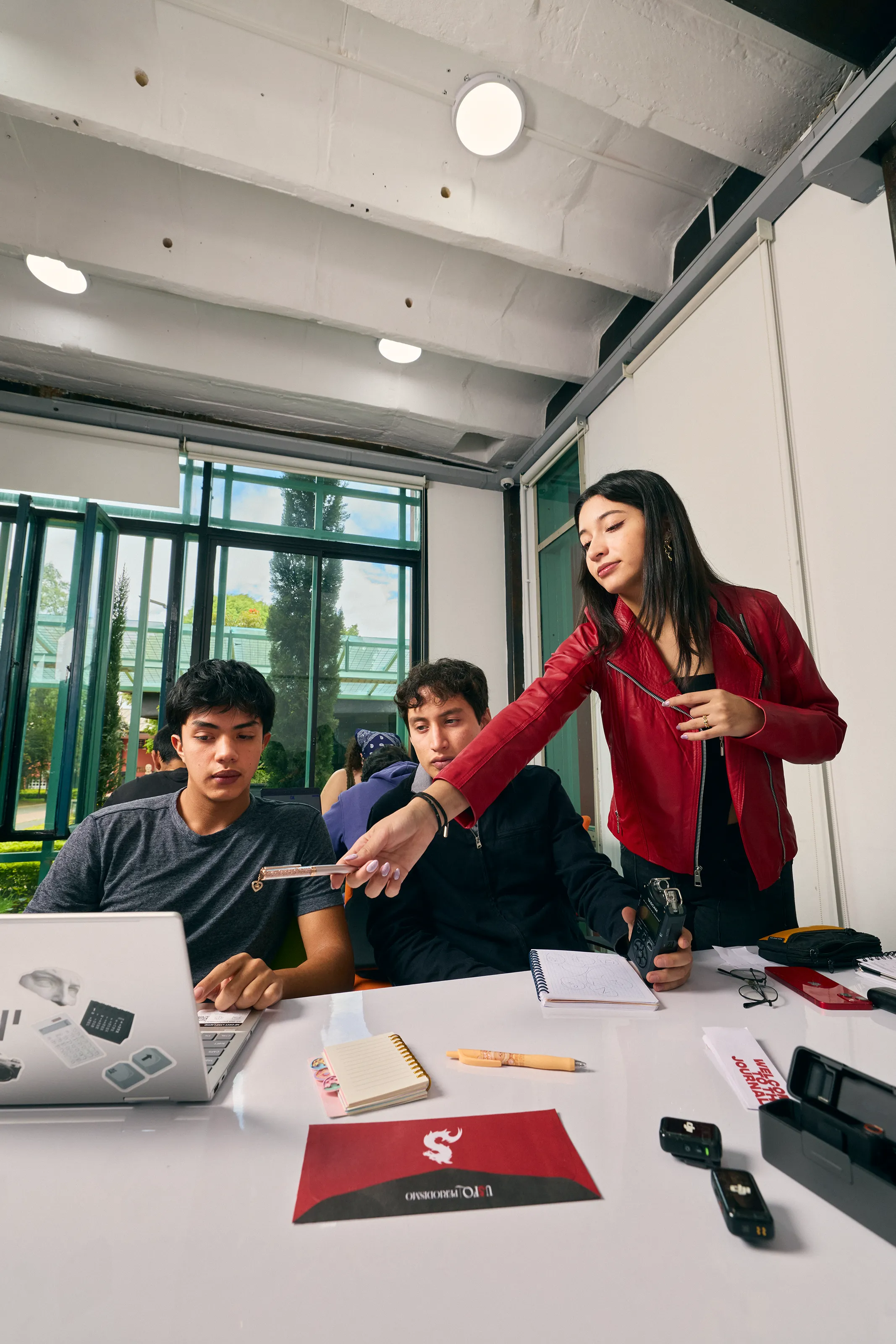
Learn journalism with integrity, rigor, and creativity
During your training, you do reporting, research, write, edit, and produce content. You cover current topics, analyze situations, and build journalistic narratives with professional standards. You generate verified and contextualized content from the first semester.
Your learning is strengthened through practical experiences, editorial projects, and academic exchange opportunities. You work with industry professionals and, from your second year, you publish reports in national media.
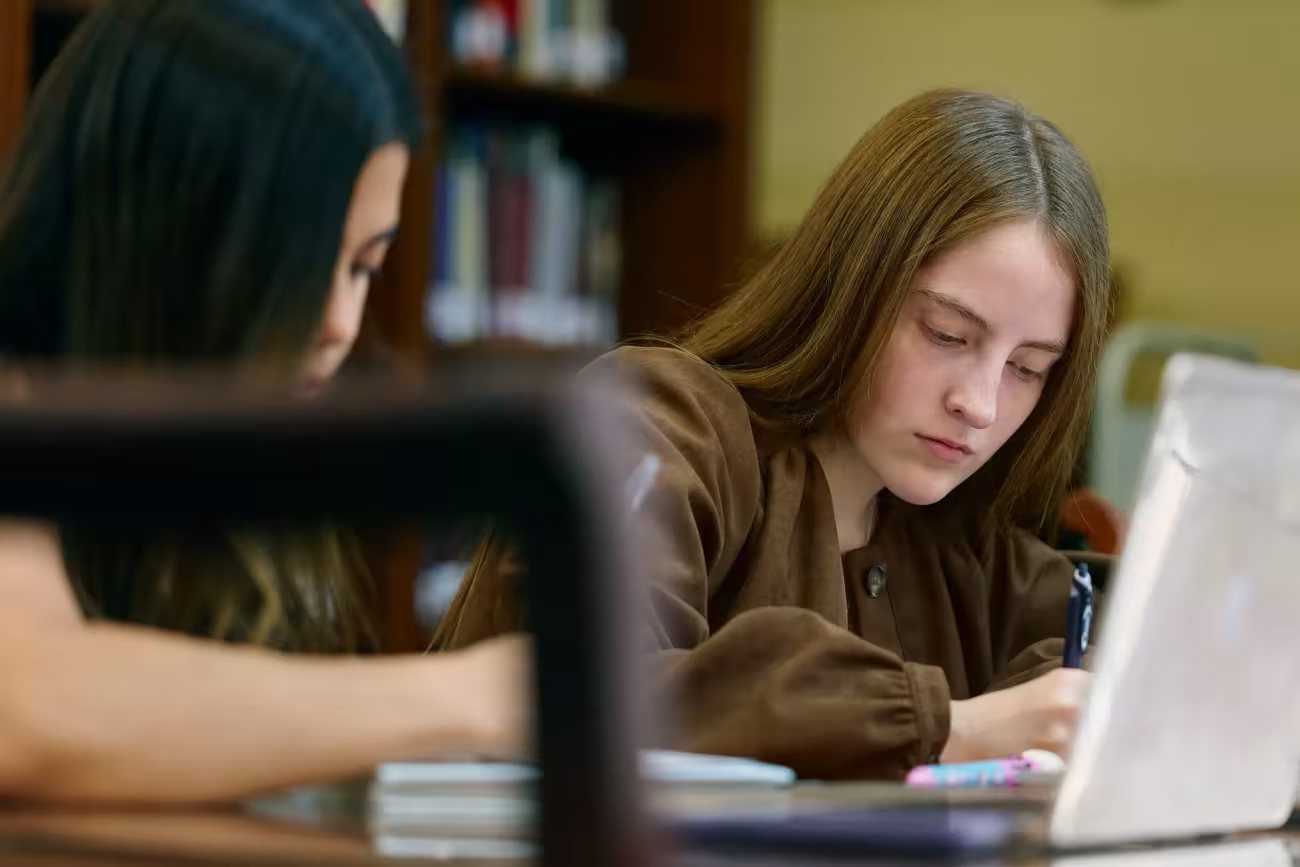
Applicant and Graduate Profile
Who is the program intended for?
For students who seek to understand reality, research, and produce valuable content from a critical and responsible perspective.
If you are interested in observing your environment, formulating questions, contrasting information, and communicating clearly, this program is for you.
What will your professional outlook be?
You will develop a solid journalistic perspective. You will be able to research, verify, analyze, and narrate reality with ethics and your own judgment.
Your training will allow you to manage information in different fields and organizations, with command of multiple topics, formats, and platforms.
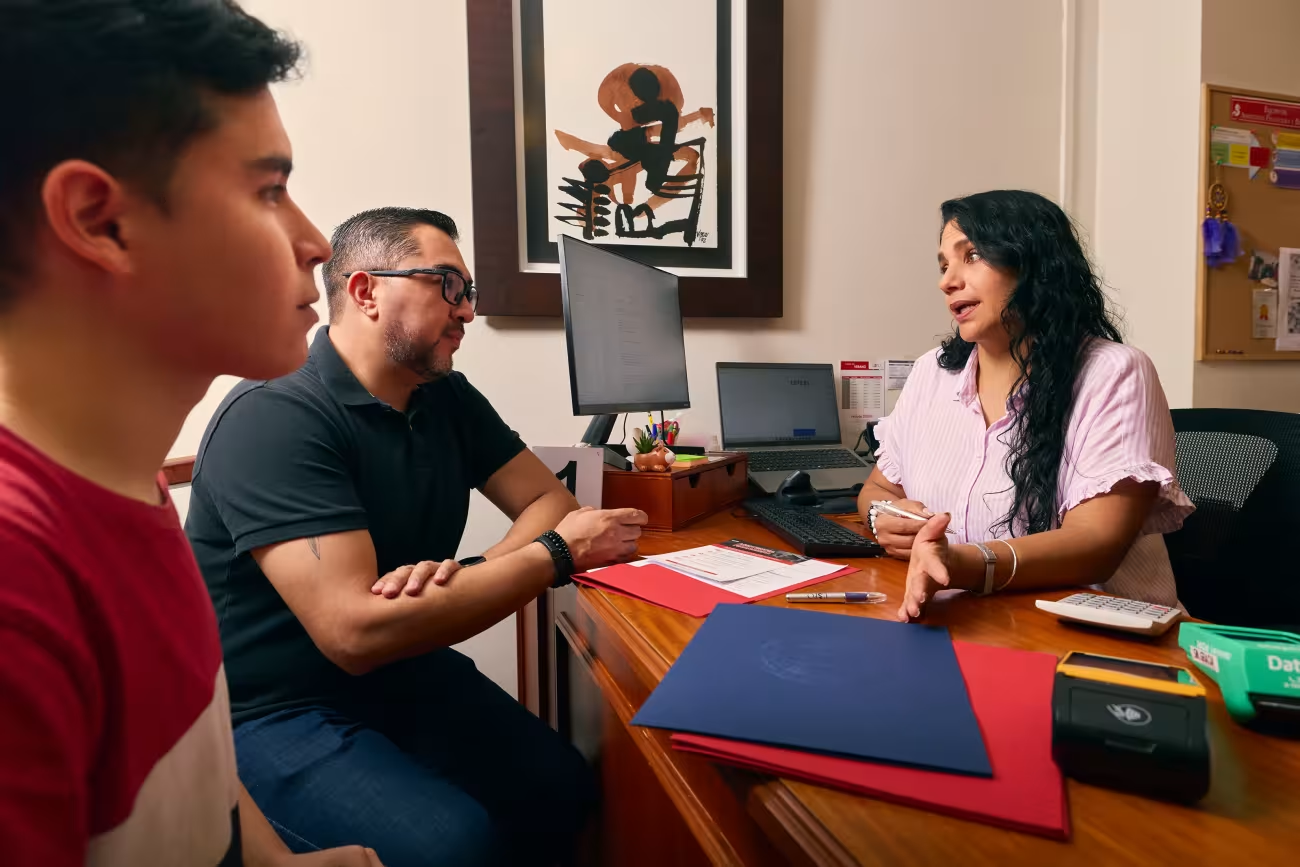
Scholarships
Talent needs space to grow.
During your admissions process you can apply for the scholarships offered by USFQ. These recognize academic merit, discipline, leadership and performance in different areas, and are designed to propel you from the start of your career.
Financial Assistance
Being educated with freedom also means having timely support.
USFQ offers financial assistance programs and personalized guidance so that your decision to study is clear, responsible, and achievable.
Contact Us
Silvana Ruales
Administrative Assistant
Colegio de Comunicación y Artes Contemporáneas
Office Miguel de Santiago Building, MS-304
(+593 2) 297-1700 Ext. 1574
sruales@usfq.edu.ec
Cristina Toapanta Administrative
Assistant Colegio de Comunicación y Artes Contemporáneas
Office Miguel de Santiago Building, MS-304
(+593 2) 297-1700 Ext.1573
ctoapanta@usfq.edu.ec