Mechanical Engineering
Mechanical Engineer
9 semesters
Credits:142
In-person
College of Sciences and Engineering (Polytechnic)
RPC-SO-05-No.098-2020
Degree program approved according to RANT: Mechanics
RPC-SO-31-No.576-2016
Campus Santiago Gangotena
Design the technology that sustains the world
Mechanical Engineering gives you the tools to transform ideas into solutions that impact the way we live, produce, and move. At USFQ, you will understand how materials, energy, and mechanical systems integrate to develop automated processes, robotic systems, and applications that drive industry and innovation.
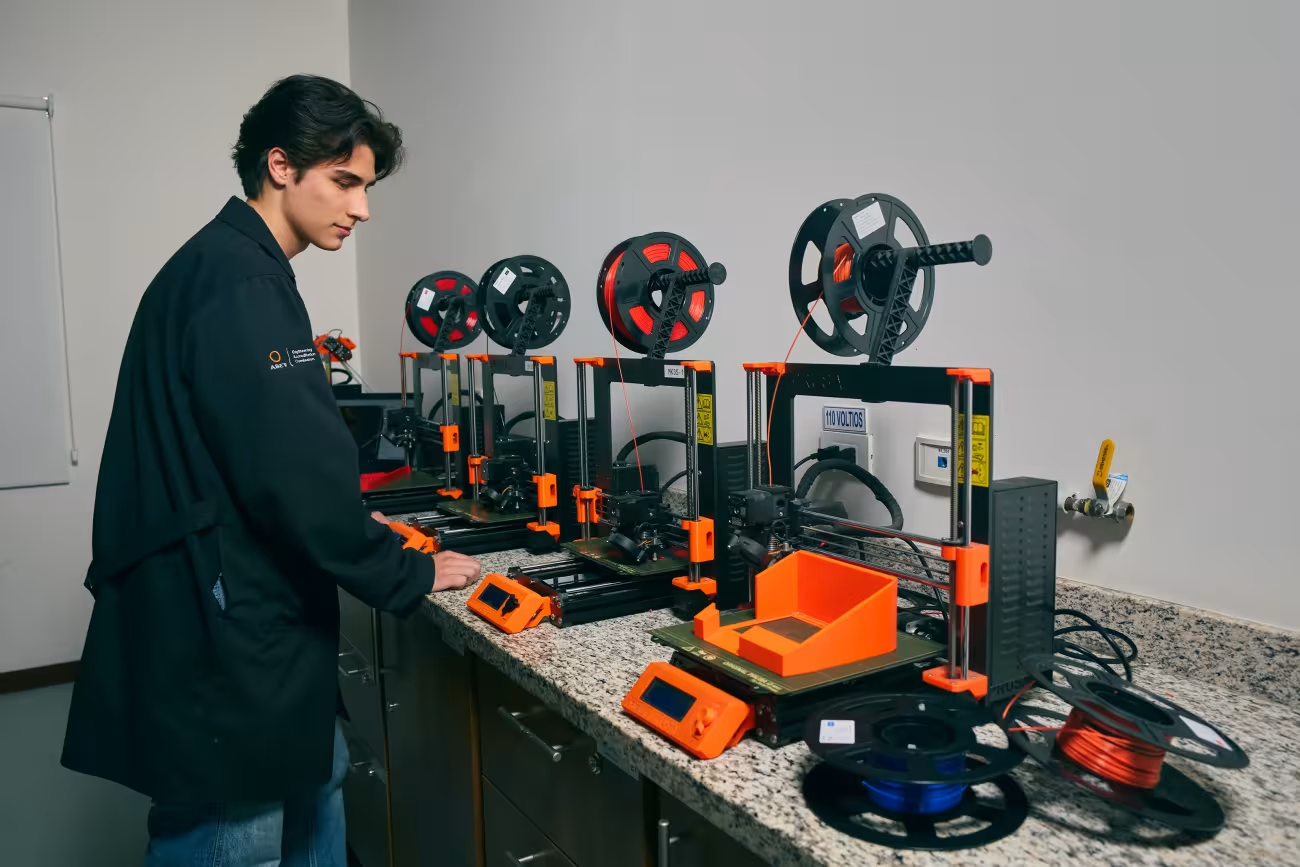
Build mechanical systems with purpose and impact
Mechanical Engineering integrates theory and practice from the first semester with applied projects. Through the Liberal Arts approach, you connect science, technology and design with communication, ethics and critical thinking, to develop technical solutions with judgment and leadership in a constantly evolving technological environment.
USFQ Method
- The program fosters active learning, with an emphasis on innovation and entrepreneurship, which is articulated within the liberal arts model through:
- Real problem solving (PBL) as the core of learning.
- Teamwork and effective communication, essential for professional practice.
- Technical writing, presentations and academic discussion, driven by the USFQ liberal arts model.
- This model not only strengthens technical training, but also provides students with the opportunity to personalize their academic path and enrich it with an interdisciplinary and liberal arts vision that helps prepare engineers capable of arguing, leading and transforming their environment.
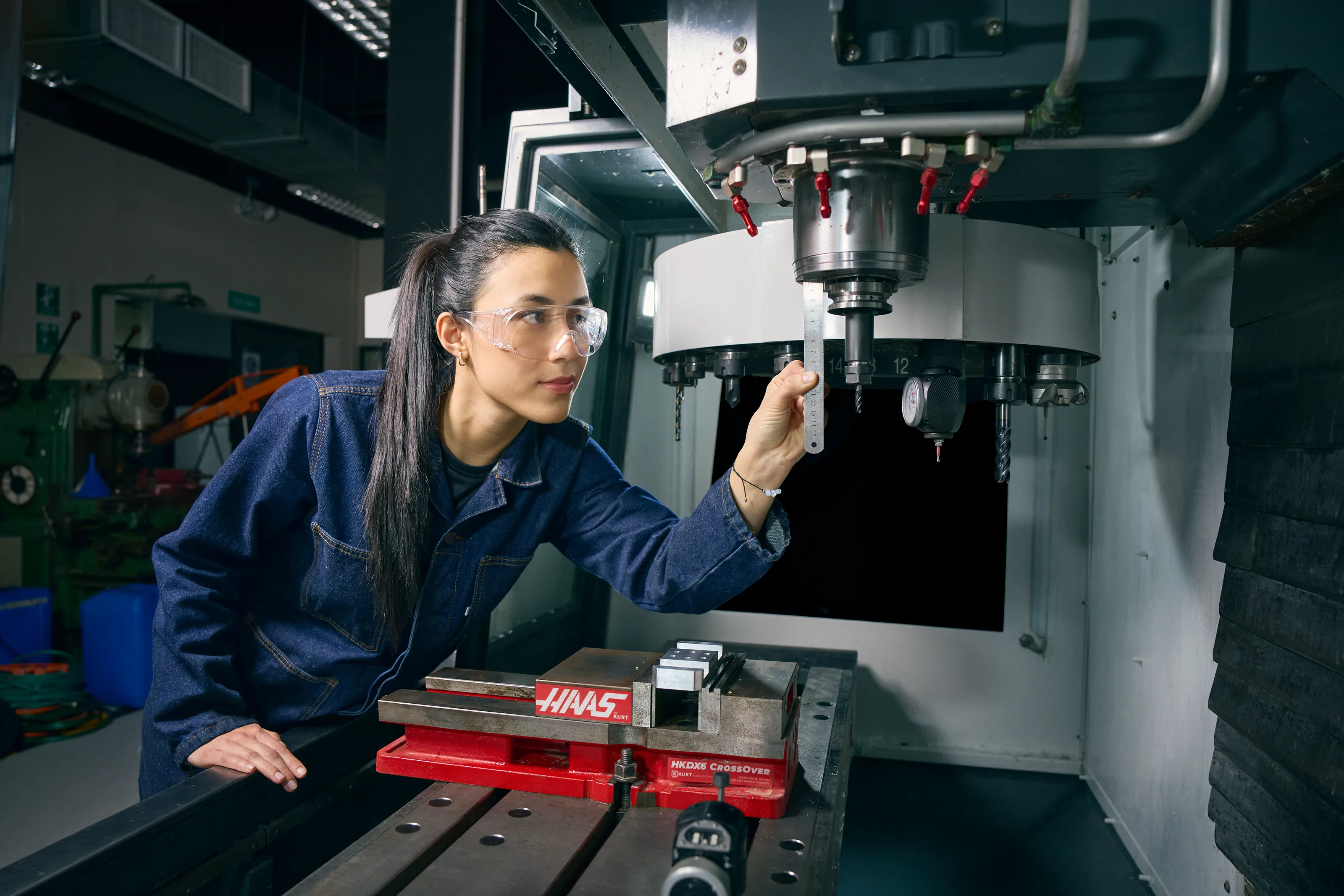
From curiosity to engineering
From the first semester you work in laboratories, design, build and test your ideas. Classes connect theory with application so you understand in a comprehensive way how systems work.
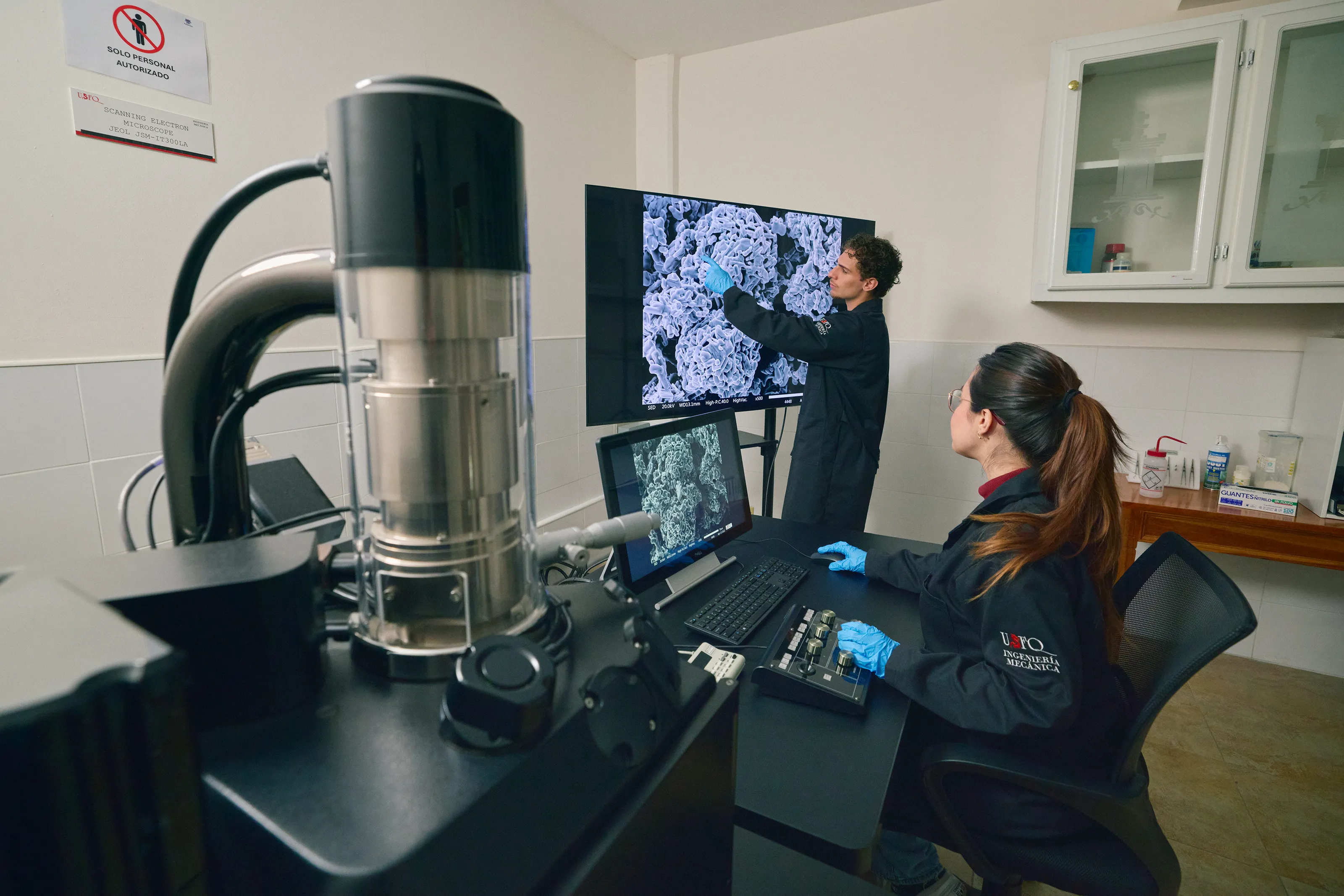
You use specialized *software*, develop critical thinking and learn to solve problems that demand technical precision and creativity.
Here you explore, create, experiment and strengthen your training through hands-on experiences in areas such as thermo-fluids, mechanical systems, materials and manufacturing.
International Accreditation
Program Educational Objectives
The Program Educational Objectives for the Mechanical Engineering Program at USFQ are:
- Engineering Professionals: Graduates who will apply their technical knowledge and training in Mechanical Engineering in professional practice; will collaborate with multidisciplinary teams and demonstrate commitment to ethics and social responsibility.
- Leaders and Entrepreneurs: Graduates who will demonstrate leadership and entrepreneurship to produce and implement engineering solutions.
- Humanists: Graduates who will contribute to the scientific, technological and sustainable development of their communities, always framed within the Liberal Arts philosophy.
- Continuous Learning: Graduates who will seek continuous improvement through training and professional development programs, graduate studies and independent research.
Student Outcomes
- An ability to identify, formulate, and solve complex engineering problems by applying principles of engineering, science, and mathematics.
- An ability to apply engineering design to produce solutions that meet specified needs with consideration of public health, safety, and welfare, as well as global, cultural, social, environmental, and economic factors.
- An ability to communicate effectively with a range of audiences.
- An ability to recognize ethical and professional responsibilities in engineering situations and make informed judgments, which must consider the impact of engineering solutions in global, economic, environmental, and societal contexts.
- An ability to function effectively on a team whose members together provide leadership, create a collaborative and inclusive environment, establish goals, plan tasks, and meet objectives.
- An ability to develop and conduct appropriate experimentation, analyze and interpret data, and use engineering judgment to draw conclusions.
- An ability to acquire and apply new knowledge as needed, using appropriate learning strategies.
Accreditations

La carrera de Ingeniería Mecánica está acreditada desde el año 2017, por la Comisión de Acreditación de Ingeniería de ABET, https://www.abet.org, bajo los Criterios Generales y los Criterios de Programas de Ingeniería Mecánica y de Ingeniería con Nombres Similares.
-
La carrera de Ingeniería Mecánica está acreditada desde el año 2017, por la Comisión de Acreditación de Ingeniería de ABET, https://www.abet.org, bajo los Criterios Generales y los Criterios de Programas de Ingeniería Mecánica y de Ingeniería con Nombres Similares.

Projects that transcend the workshop and conquer the industry
At USFQ I learned that the way to solve a problem is to first deeply understand it and then develop a solution based on the available resources. It is a skill that has helped me greatly in my professional career.
Gabriel Iturralde Dueñas
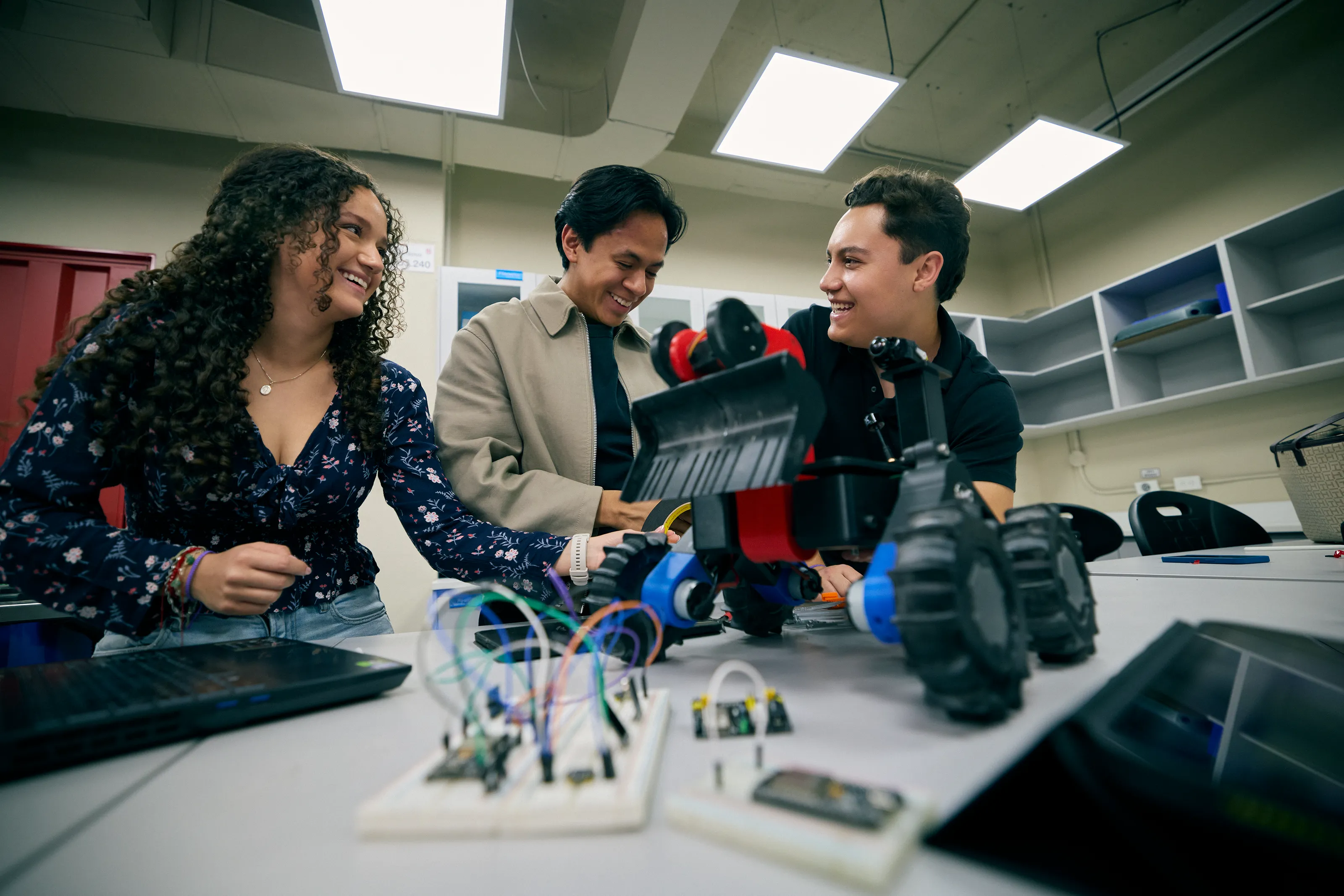
Projects that transcend the workshop and conquer the industry
Graduates began with curiosity and today are creative engineers, with the judgment and confidence to transform ideas into efficient, sustainable, and impactful proposals. Their education drives their ability to innovate, entrepreneurship, and act with initiative.
"The Mechanical Engineering program at USFQ allowed me to develop applied research in materials and energy, positioning me toward an international doctorate and collaborations with global industry and academia".
–Javier Miranda
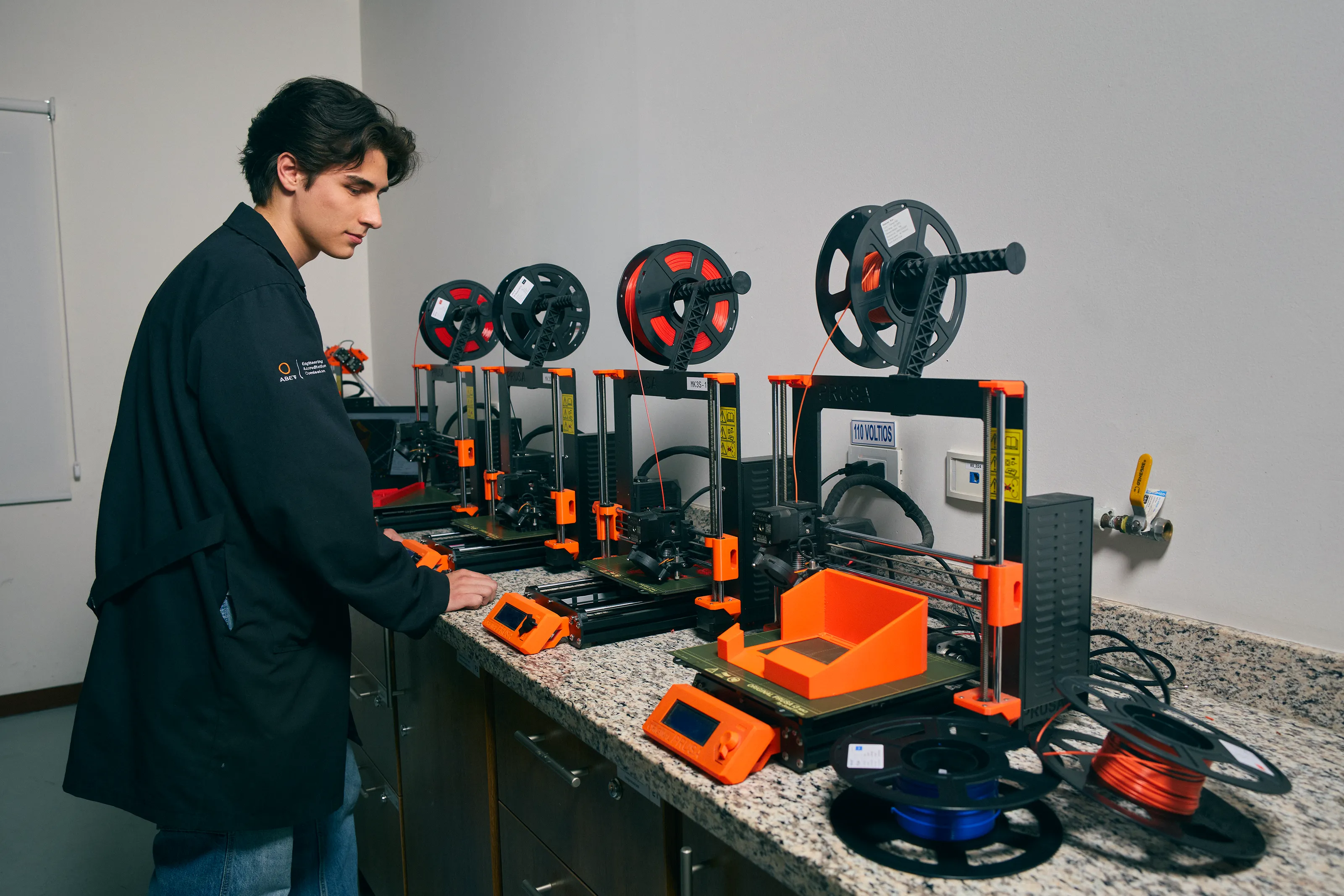
Projects that transcend the workshop and conquer the industry
Graduates began with curiosity and today are creative engineers, with the judgment and confidence to transform ideas into efficient, sustainable, and impactful proposals. Their education drives their ability to innovate, entrepreneurship, and act with initiative.
"The Career's focus on research and project-based learning awakened my scientific vocation and prepared me to pursue graduate studies in advanced manufacturing at an international level".
–Krutskaya Yépez