
COIL: A virtual classroom without borders
Collaborative Online International Learning (COIL) is an educational methodology that incorporates international collaboration into your courses at Universidad San Francisco de Quito USFQ. Through projects, you work with students and professors from institutions in other countries, share perspectives, and add an international experience to your education without leaving the classroom.
International collaboration step by step
Partner Identification
Faculty from different institutions connect and agree to collaborate, independently or with support from the international programs office.
Course Planning
Partners define objectives, activities, assessment, technological tools, and collaboration modality.
Icebreaker Activity
The course and the COIL format are introduced. Students get to know each other, form international teams, and establish their working dynamics.
Project
Students develop collaborative and intercultural activities, such as research, case studies, or debates, synchronously or asynchronously.
Project Presentations
Teams present their final projects in the agreed format: reports, presentations, videos, or others.
Reflection and Evaluation
Students and faculty reflect on the experience, the learnings, and the course outcomes.
Feedback
Participants' opinions are gathered to identify improvements for future COIL courses.
International experience at USFQ
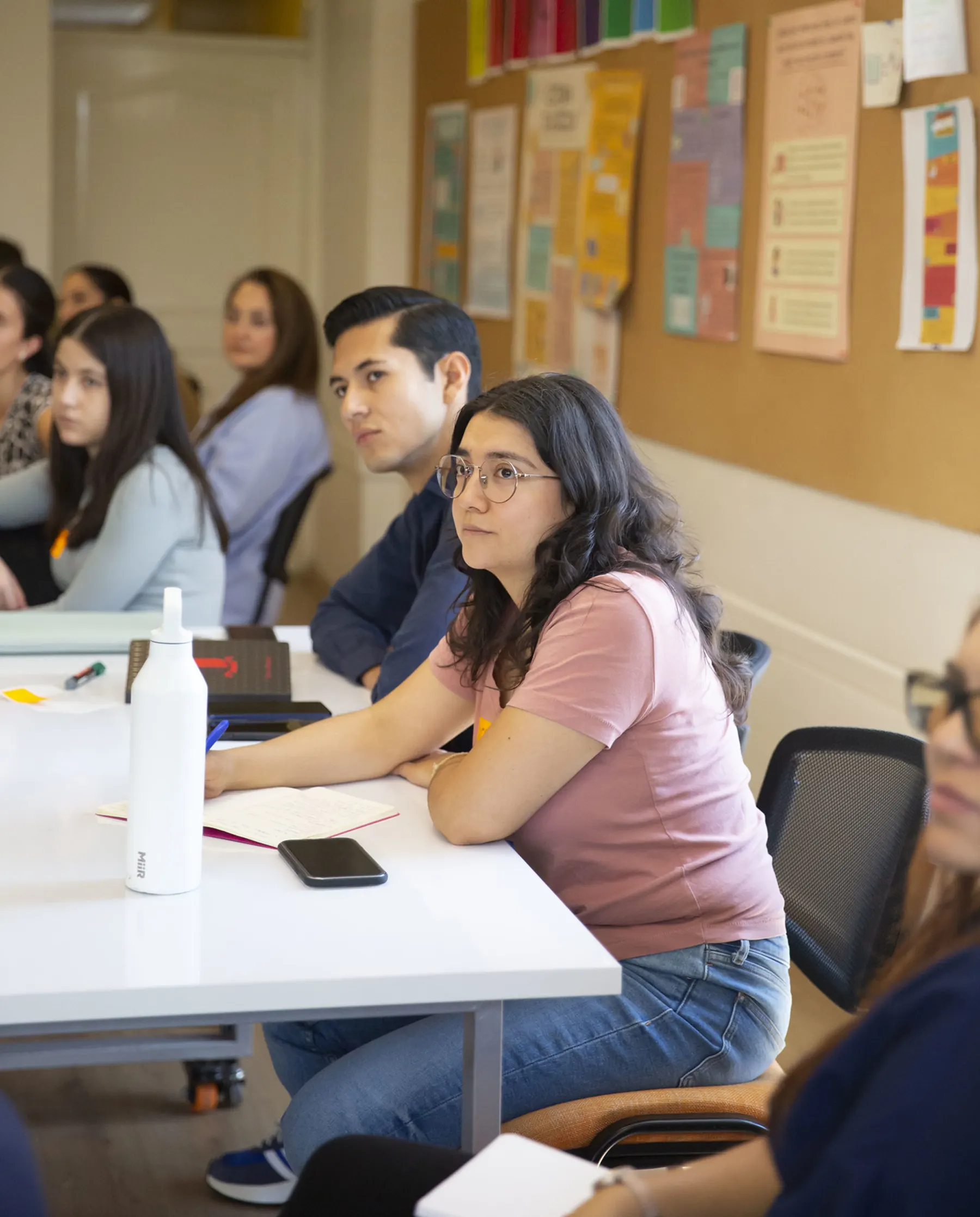
COIL global experiences have opened opportunities for more than 4000 USFQ students to lead international projects and virtual collaborations across all areas of knowledge .

Connect, learn and transform your teaching practice
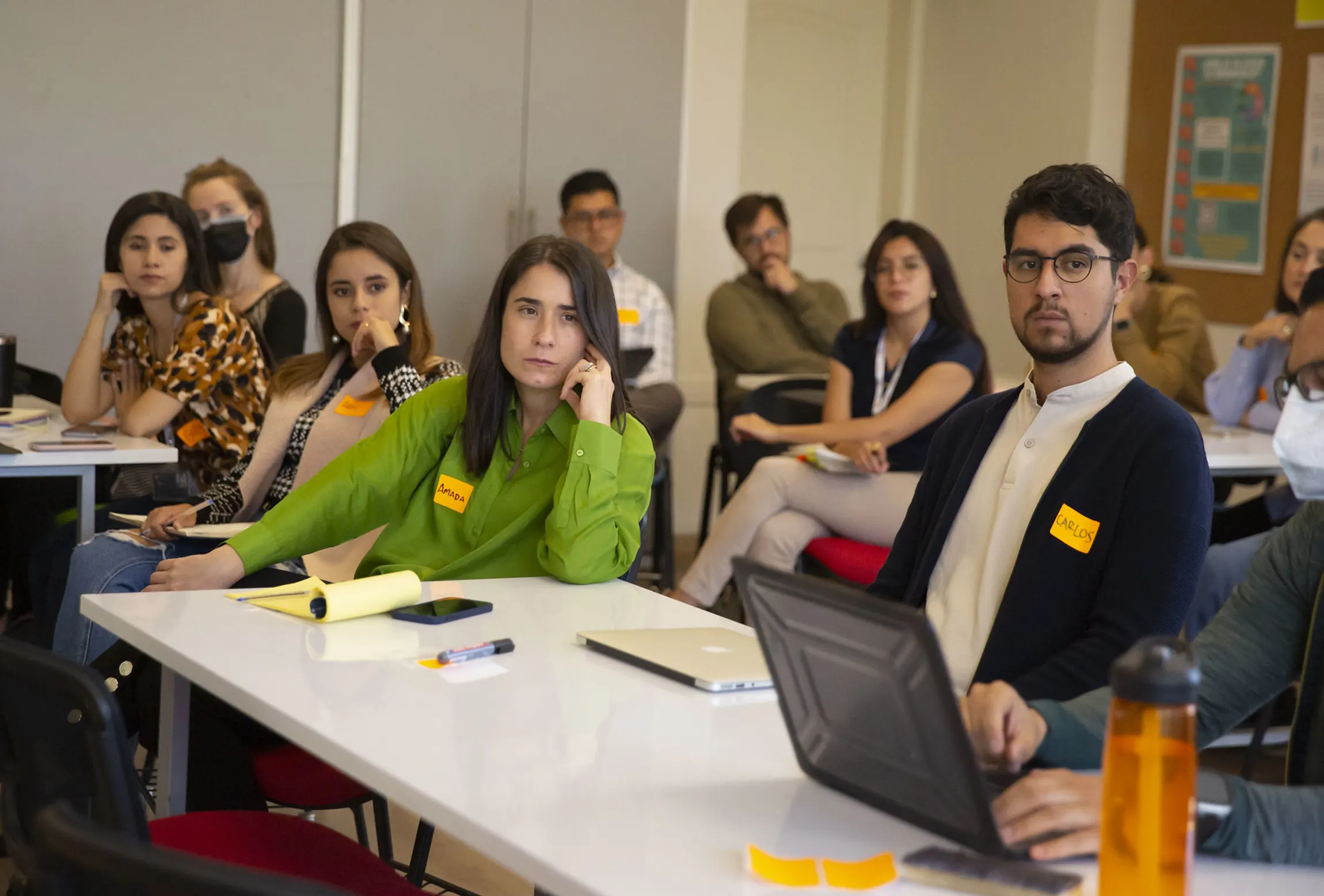
COIL ICOP connects national and international faculty to share experiences, tools, and best practices in international collaborative education projects.
Take your experience beyond the classroom
Discover how COIL connects your education at USFQ with students, professors, and institutions from other countries through collaborative learning experiences.