Galápagos Semester Program
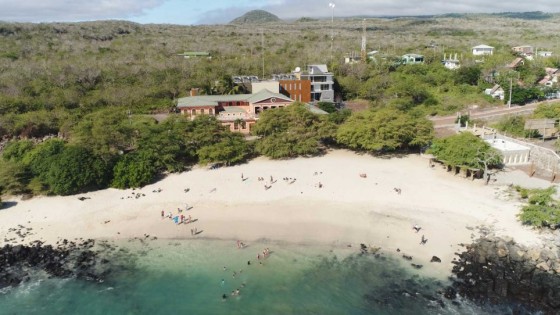
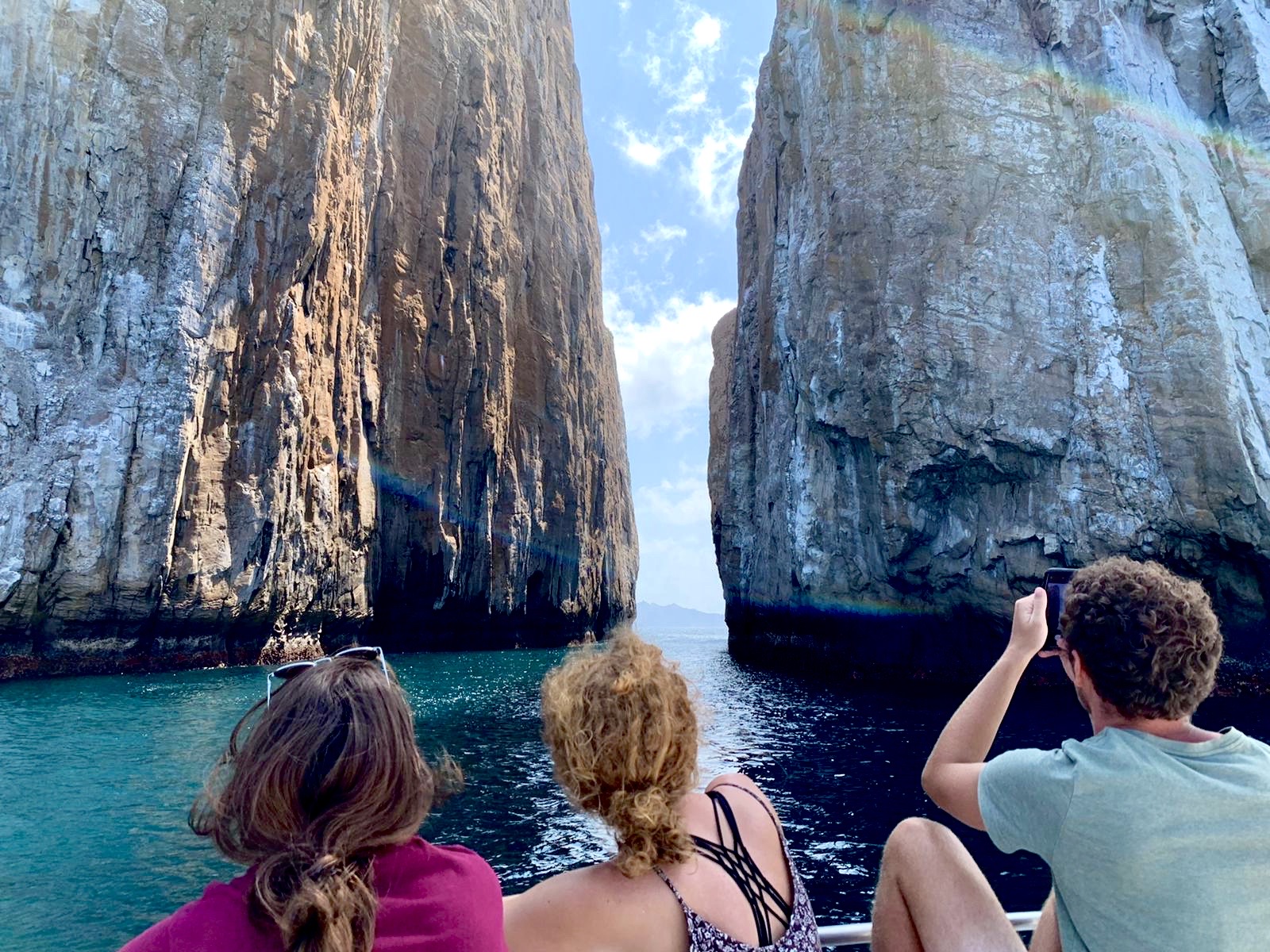
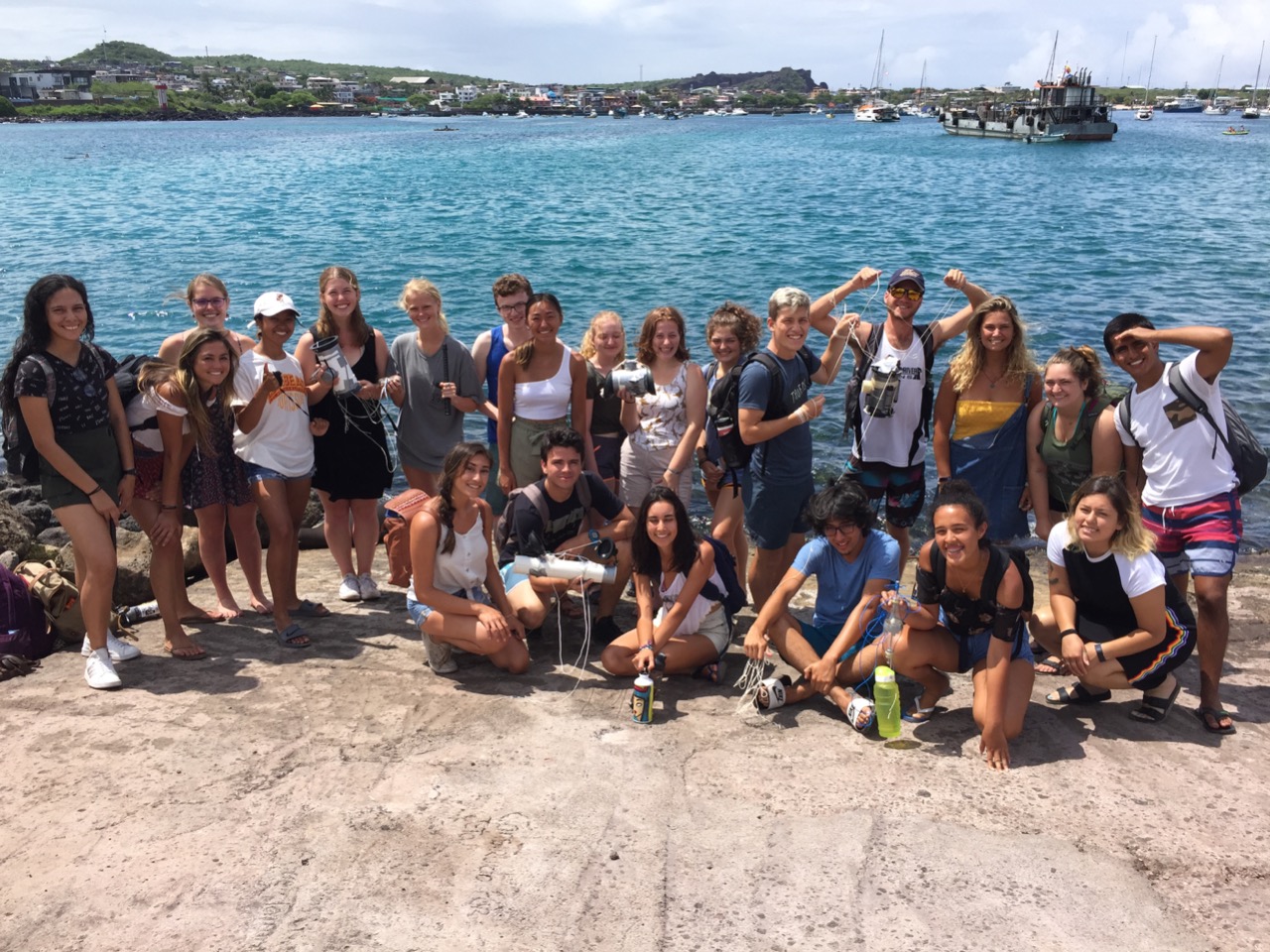
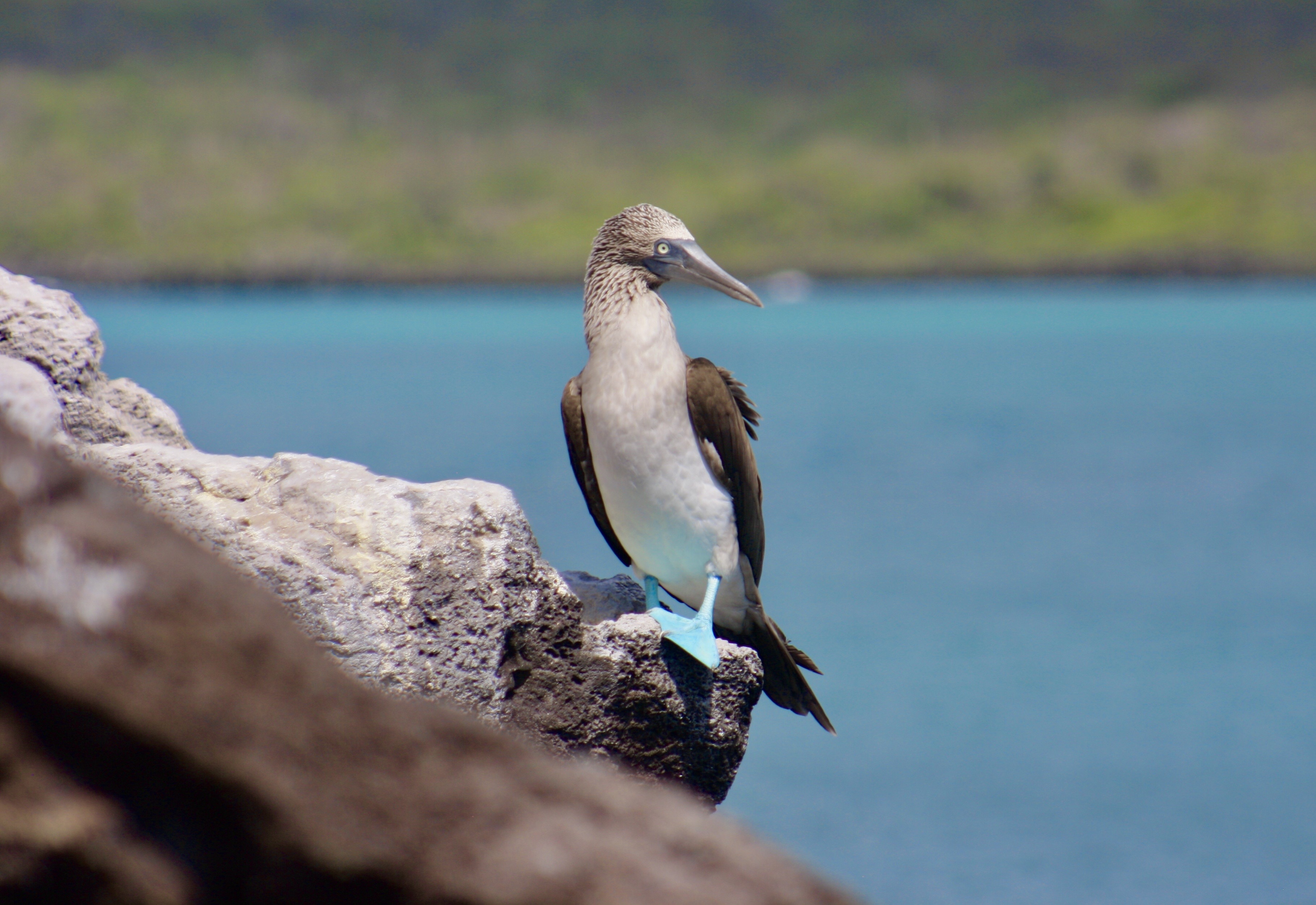
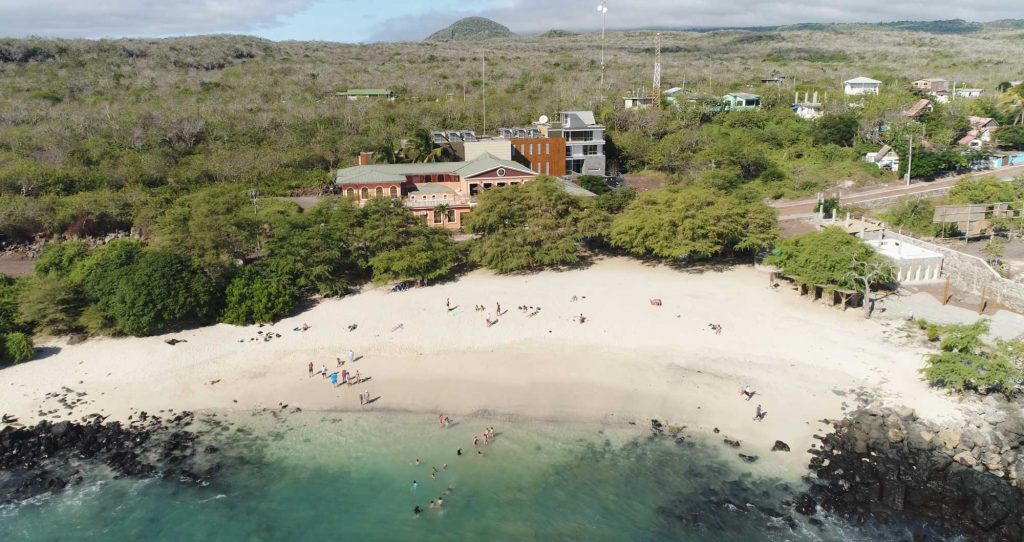
Ubicado en la isla San Cristóbal, el campus de la USFQ Galápagos ofrece a los estudiantes internacionales la oportunidad de estudiar en uno de los laboratorios naturales más vírgenes del mundo.
El programa semestral de Galápagos ofrece cuatro cursos académicos en ciencias biológicas y sociales, todos impartidos en inglés. Los estudiantes pueden elegir una de las siguientes concentraciones:
- Evolución, Ecología y Conservación.
- Ecología Marina.
- Sostenibilidad y Resiliencia.
- One Health.
Presentación Programa (English)
Fechas del programa semestral de Galápagos:
- Primer semestre: agosto-diciembre.
- Segundo semestre: enero-mayo.
Aplicación
Fechas límites de aplicación:
- Primer semestre: 1 de mayo
- Segundo semestre: 25 de septiembre
Requisitos Para Aplicar
Los estudiantes deben cumplir con:
- Mínimo estar empezando el segundo año de estudios universitarios
- Promedio GPA mínimo de 3.0.
- Proficiencia en inglés (los solicitantes internacionales para quienes el inglés es un segundo idioma deben proporcionar documentación de competencia en inglés).
- Los estudiantes de los tracks de Evolución, Ecología y Conservación, y de Sostenibilidad y Resiliencia deben haber tomado al menos un (1) curso de biología o ecología a nivel universitario y deben haber aprobado el curso con una calificación mínima de B-.
- Los estudiantes del track de One Health deben haber tomado al menos dos (2) cursos de biología y/o ecología, un (1) curso de laboratorio a nivel universitario, y deben haber aprobado esos cursos con una calificación mínima de B-. Los solicitantes pueden proponer cursos equivalentes para los cursos mencionados.
- Los estudiantes del track Marino deben haber tomado al menos dos (2) cursos de biología y ecología a nivel universitario y deben haber aprobado esos cursos con una calificación mínima de B-.
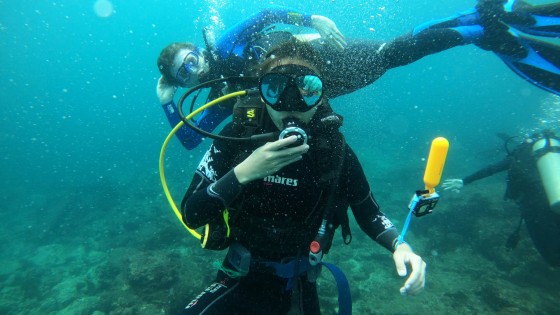
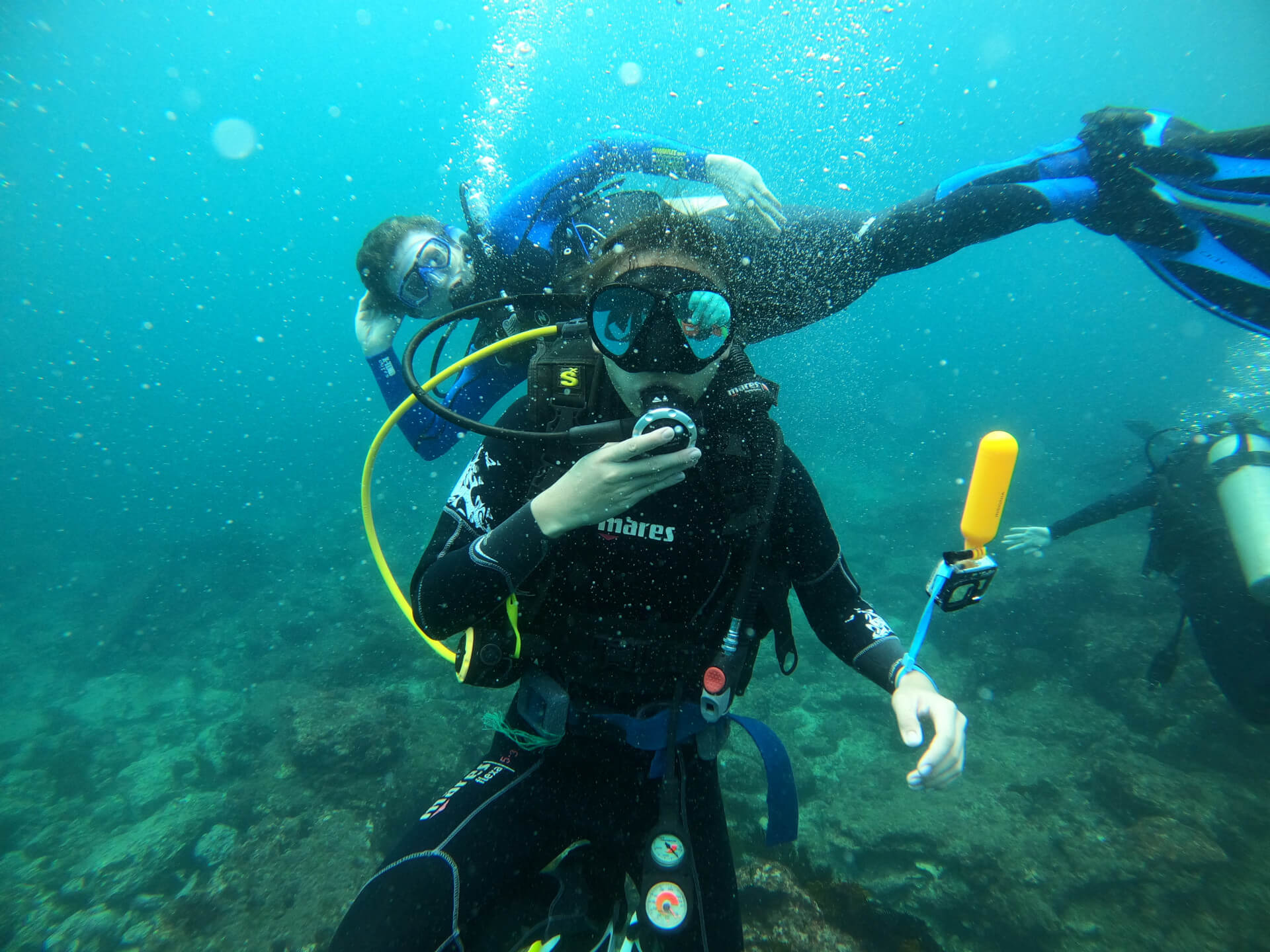
- Los estudiantes del track Marino deberán obtener la certificación de buceo en aguas abiertas y el seguro de buceo DAN 45 días antes del inicio del programa para las inmersiones académicas patrocinadas por USFQ. A los estudiantes sin certificación de aguas abiertas o el seguro de buceo se les permitirá únicamente hacer snorkel durante las excursiones.
- Los estudiantes deben tener la vacuna contra la fiebre amarilla independientemente del track que elijan.
En caso de tener preguntas contactar a: opi@usfq.edu.ec
Opciones de Cursos
Cada concentración académica consta de 5 cursos intensivos de 3 créditos impartidos en módulos de 3 semanas. El primer y segundo módulo se lleva a cabo en el campus principal de la USFQ en el valle de Cumbayá, ubicado a las afueras de Quito. Los tres módulos restantes tienen lugar en la Isla San Cristóbal, Galápagos.
HORARIOS
Monday through Friday 9:00AM to 12:00PM*
| Galapagos Semester Program | ||||||
|---|---|---|---|---|---|---|
| Monday through Friday 9:00AM to 12:00PM* | ||||||
| Mainland | Galápagos | |||||
| Week 01 | Module 1 | Module 2 | Module 3 | Break | Module 4 | Module 5 |
| Spanish Communication Skills 2:00 - 5:00PM | Evolution, Ecology and Conservation Track | |||||
| Geographical Info System | Tropical Ecology | Field Ecology | Break | Origin of Species & Island Biodiversity | Native & Intro Plants | |
| Marine Ecology Track | ||||||
| Freshwater Ecology | TMR 1 | Marine Ecology | Break | TMR 2 | Marine Ecosystem Based M. | |
| Andes to Galápagos Systems Semester Program | ||||||
| Monday through Friday 9:00AM to 12:00PM* | ||||||
| Mainland | Galápagos | Mainland | ||||
| Week 01 | Module 1 | Module 2 | Module 3 | Break | Module 4 | Module 5 |
| Spanish Communication Skills 2:00 - 5:00PM | Sustainability and Resilience Track | |||||
| Evolution of Business Sustainability | Water Resilience | Island Sustainability | Break | Climate Nexus: Water-Energy-Food in the Galapagos | Human development and resilence | |
| One Health Track | ||||||
| Foundations of Global Health | Comparative Health Systems | Ecology of Infection Diseases | Break | Animal Diseases and Monitoring | Environmental Microbiology and Lab | |
| *Subject to change. | ||||||
*Subject to change
Alojamiento
Los estudiantes se alojan con familias anfitrionas cuidadosamente examinadas en Cumbayá (Quito) para el primer y último módulo, y con las familias anfitrionas en la isla de San Cristóbal durante el resto del semestre. Los estudiantes se alojan en hoteles durante las excursiones de más de un día.
Para obtener más información sobre la experiencia de la familia anfitriona, revisa este video.
Excursiones
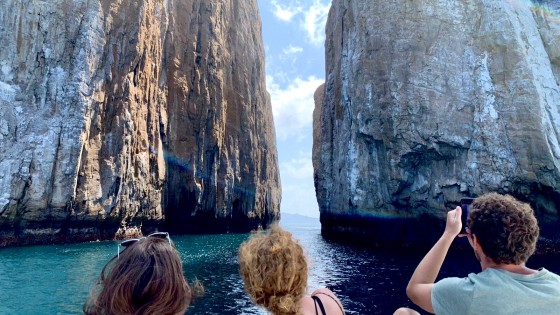
Dependiendo track del programa, los estudiantes visitarán la sierra del Ecuador y/ o el bosque nublado. Además, los estudiantes de los tracks de Evolución, Ecología y Conservación y Ecología Marina visitarán la Estación de Biodiversidad Tiputini de la USFQ en la Amazonía durante los primeros módulos. En las Islas Galápagos, los estudiantes experimentarán clases prácticas donde visitarán algunos de los lugares más asombrosos dentro de las islas como parte de su trabajo académico.
Según la ubicación, las caminatas pueden ser:
- Moderada (la mayoría de las caminatas del Programa Semestral de Galápagos)
Una caminata moderada es generalmente adecuada para excursionistas novatos que quieren un poco de desafío. El terreno tendrá una pendiente moderada y puede tener algunas secciones más empinadas. Generalmente, de 3 a 5 millas. - Moderadamente extenuante: las caminatas moderadamente extenuantes generalmente serán un desafío para una persona incondicionada. El terreno implicará una pendiente constante y, a menudo, empinada. Generalmente, de 5 a 8 millas. Estas caminatas se esperan en la Estación de Biodiversidad Tiputini, donde los estudiantes realizarán caminatas todos los días durante su estadía.
- Extenuante: las caminatas extenuantes desafiarán a la mayoría de los excursionistas. La caminata generalmente será más larga y empinada, pero puede considerarse "Extenuante" debido a la ganancia de elevación. Generalmente, de 5 a 8 millas en una elevación de 10 pies sobre el nivel del mar. Esto se puede esperar solo en la clase de Ecología Tropical y en la Clase de Biología de la Conservación de la Vida Silvestre.
Costos
El costo de la matrícula del programa depende de cómo los estudiantes lleguen a estudiar en la USFQ y la relación de su institución de origen con la USFQ. El pago de matrícula es adicional para estudiantes que no son de intercambio (sugerimos consultar con su institución de origen si no estás seguro de su estado).
El costo de la concentración del programa debe ser pagado por todos los estudiantes e incluye la orientación y el tour de Quito, excursiones académicas, alojamiento y alimentación, plan celular ecuatoriano y pasajes aéreos de ida y vuelta entre Quito-Galápagos.
Para obtener información sobre los costos actualizados deben ponerse en contacto con nuestra Oficina de Programas Internacionales: opi@usfq.edu.ec
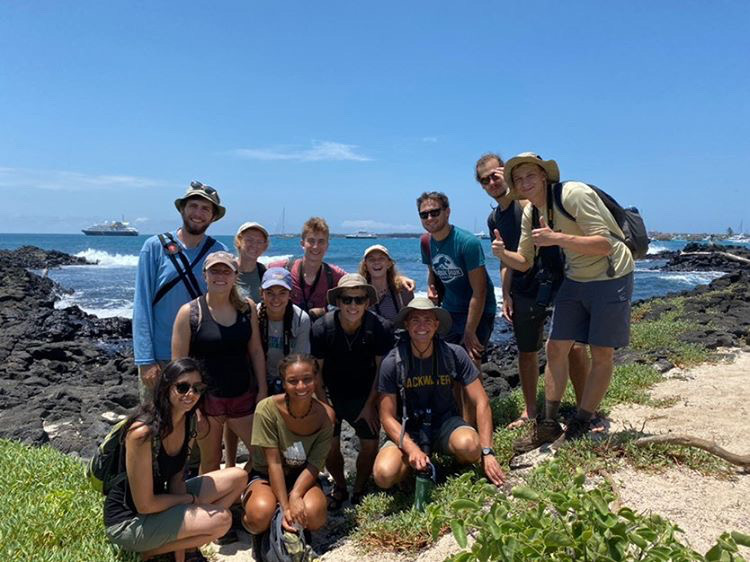
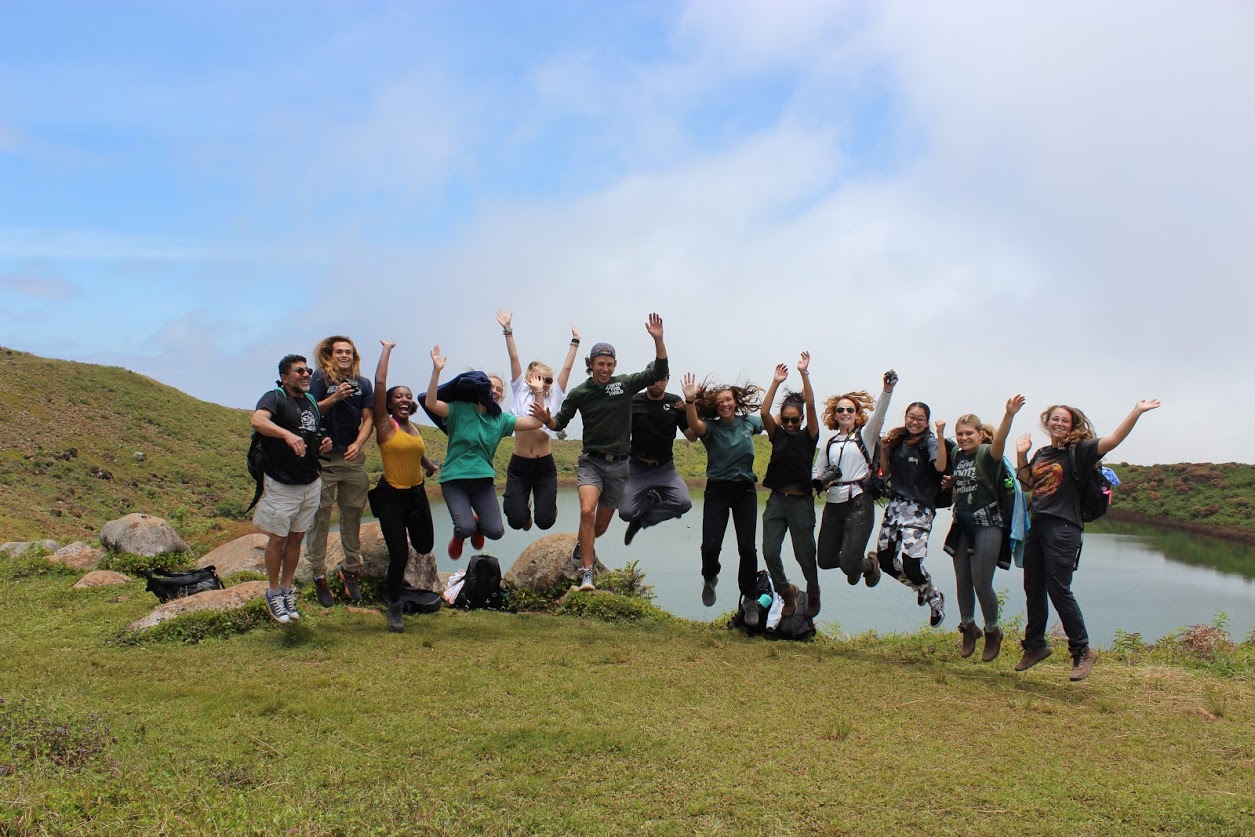
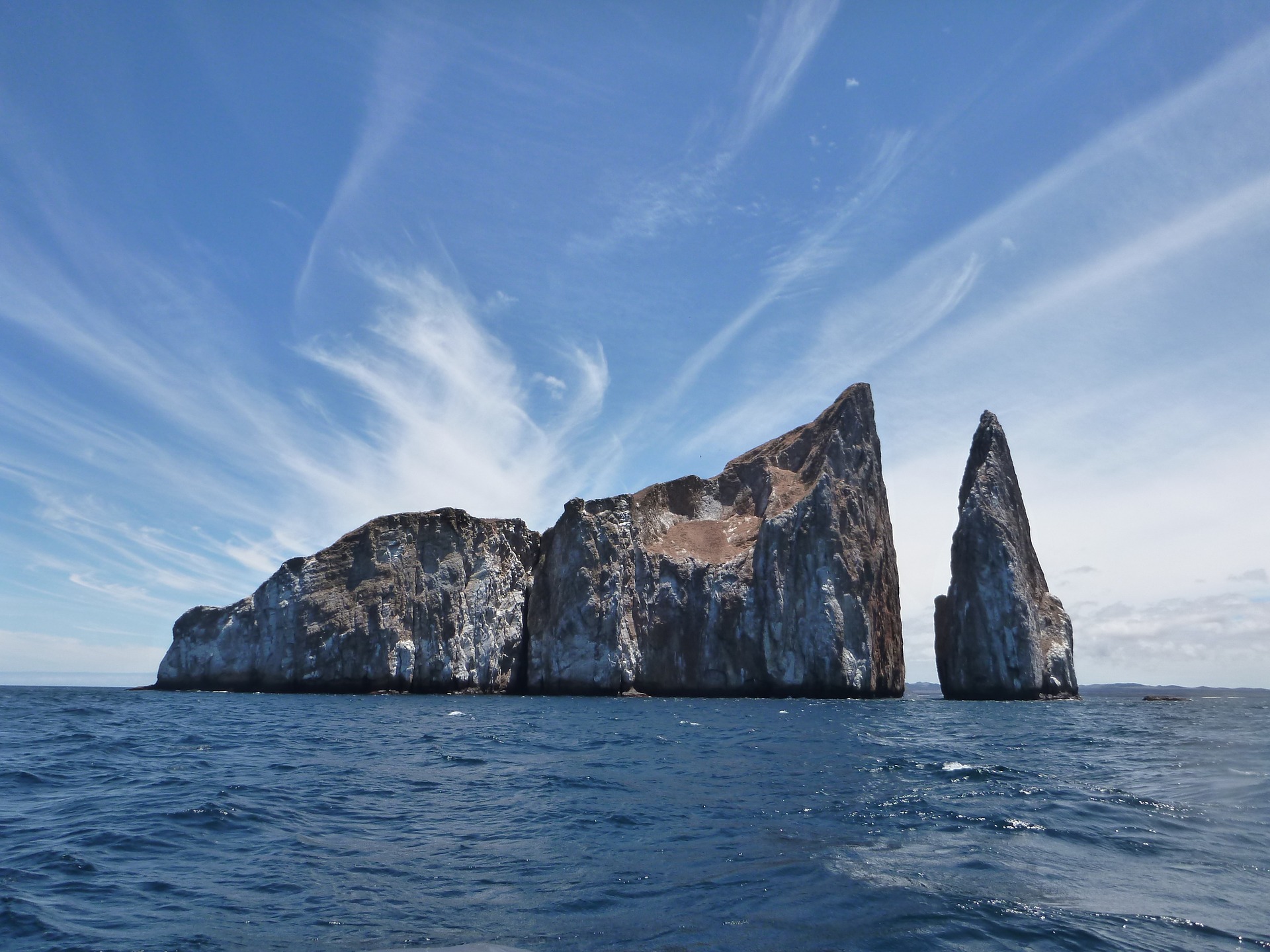
Galería fotográfica