Resultados de la Busqueda
Academic-technical laboratory support
Office
Puembo Farm
Phone
(+593 2) 297-1700
Extension
1222
Email
Professor
Office
Darwin Building, DW-001
Phone
(+593 2) 297-1700
Extension
1341
Email
Date
-
Place
Galapagos Science Center
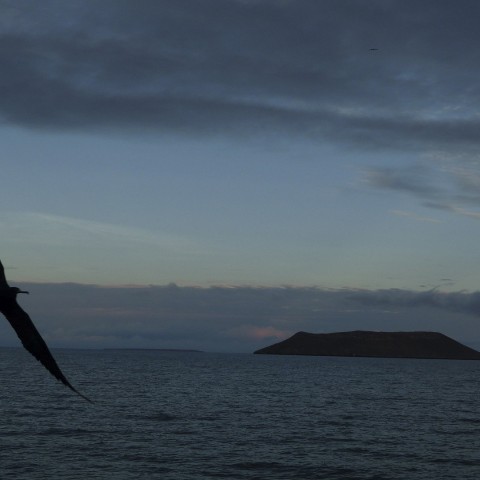
The Universidad San Francisco de Quito has previously organized World Summits on Evolution I and II which have promoted the exchange of ideas among outstanding researchers working in the different branches and aspects of biology. World Summit on Evolution III will focus on the importance of evolution for humanity and our planet. Human activities such as agriculture, medicine, industry, urbanization
Date
-
Place
Galapagos Science Center
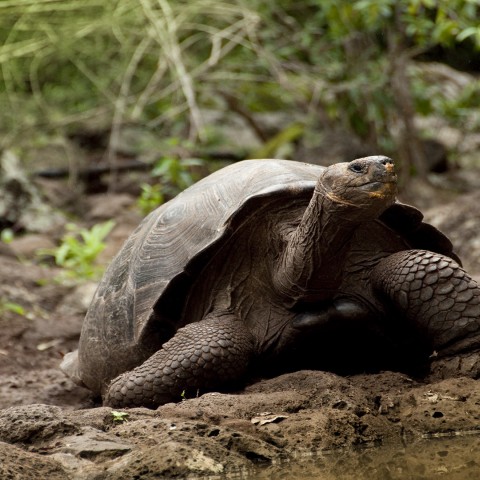
When: 22 (Thursday), 23, 24 and 25, June 2006. Unless you are taking a tour, please arrive at Quito by June 20. The flight to Galapagos is on the 21st. The flight from Galapagos to Quito is on June 26 PM. Where: Galapagos Institute for the Arts and Sciences (GAIAS), Univer- sidad San Francisco de Quito (USFQ), 1 San Cristobal
Date
-
Place
Galapagos Science Center
The Second World Summit on Evolution (WSE) will convene 24-27 August 2009 in the Galapagos Islands. With their historical significance in the development of the evolutionary theory, the Galapagos Islands offer an unparalleled venue to celebrate Darwin's bicentennial. The summit will bring together experts and students from widely different areas of evolutionary biology that rarely have the chance to meet

Magazine Type
Academic magazines
Publication frequency
Annual
Ánima is a student monographic series by the Department of Liberal Arts and the Colegio de Ciencias Sociales y Humanidades (COCISOH) of the Universidad San Francisco de Quito USFQ. It is an open access publication that uses the peer-review arbitration system and the double-blind review methodology. Its objective is to provide a space for undergraduate and graduate students to publish
Professor
Office
Darwin Building, DW-005
Phone
(+593 2) 297-1700
Extension
1444
Email
Date
-
Place
Machalilla National Park
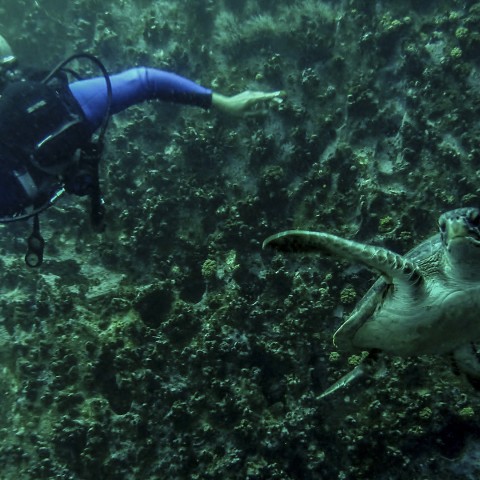
{"preview_thumbnail":"/sites/default/files/styles/video_embed_wysiwyg_preview/public/video_thumbnails/pjTGZGoGPC8.jpg?itok=5DeGW0Vj","video_url":"https://youtu.be/pjTGZGoGPC8","settings":{"responsive":1,"width":"854","height":"480","autoplay":0},"settings_summary":["Embedded Video (Responsive)."]} Open course: Wildlife Filmmaking Semester: 201730 - Summer: 2018/2019 COURSE DETAILS: Requirements: Basic level of photography and/or video production, good speaking and comprehension level of English. ¡Be motivated for adventure, video and respect for nature! DESCRIPTION OF THE COURSE: Marine Life Filmmaking in Machalilla National Park immerses students in every aspect of producing a natural history marine
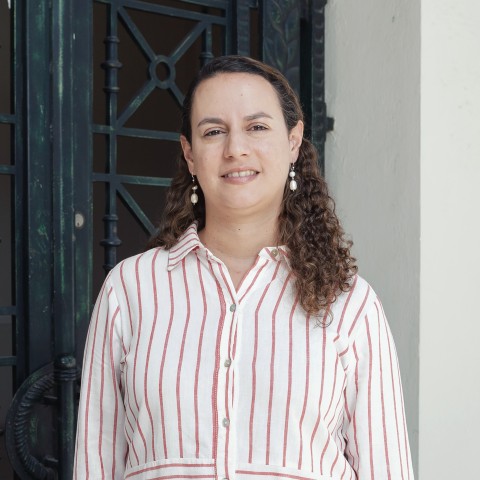
Director of the Microbiology Institute
Office
Eugenio Espejo Building, EE-125
Phone
(+593 2) 297-1700
Extension
1836
Email
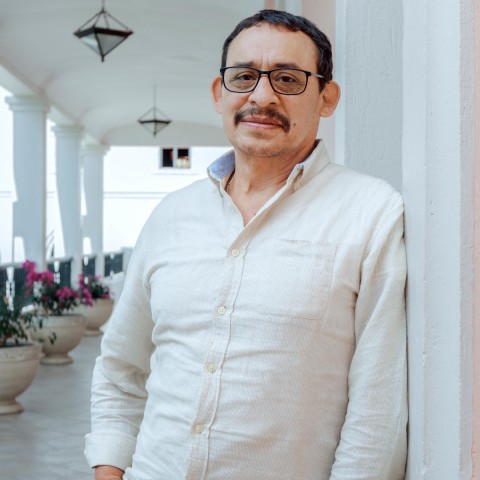
The Board of Regents’ main responsibility is to guarantee that USFQ mission, vision and founding principles are preserved through time. In the case that there is a situation that may jeopardize these values, the Board has the authority to take binding actions. Its composed of five members, two of them are USFQ founding members and the other three are ordinary
Professor
Office
Darwin Building, DW-106
Phone
(+593 2) 297-1700
Extension
1263
Email
Date
-
Place
Galapagos Science Center
We are pleased to announce the World Summit on Evolution in the Galapagos, June 9-12, 2005. This conference will be held on Ecuador’s Galapagos archipelago, the islands that helped spark Darwin’s revolutionary ideas that changed how we view the Earth and all of its species. The concept of evolution has itself evolved. Through a series of presentations and discussions we
Professor
Office
Maxwell Building, M-012
Phone
(+593 2) 297-1700
Extension
1365
Email
Professor
Office
Maxwell Building, M-208
Phone
(+593 2) 297-1700
Extension
1393
Email
Date
-
Place
zoom
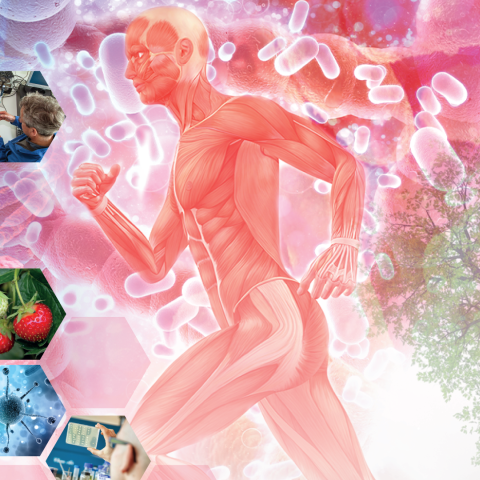
A few years ago, the concept of the microbiome emerged, defined as the entirety of microbes, their genetic material, and the interactions they establish in the space where they live. We can find microbiomes in various environments, for example, in the intestines of humans and animals. It is now known that more than 100 trillion microbial cells inhabiting the human
Vicedecano de Investigación
Office
Darwin Building, DW-004
Phone
(+593 2) 297-1700
Extension
1340
Email
Professor
Office
Former Diners office
Phone
(+593 2) 297-1700
Extension
1153
Email
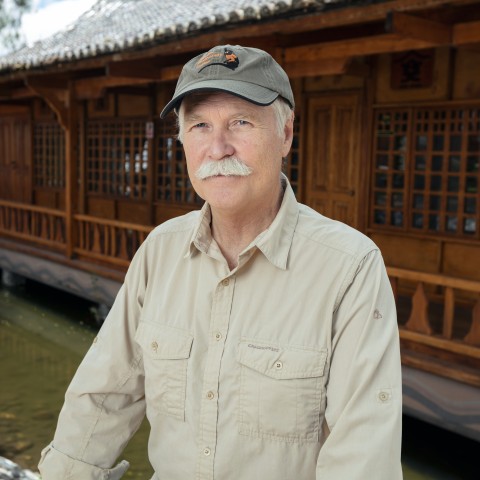
Professor
Office
Cicerón Building, C-201
Phone
(+593 2) 297-1963
Email
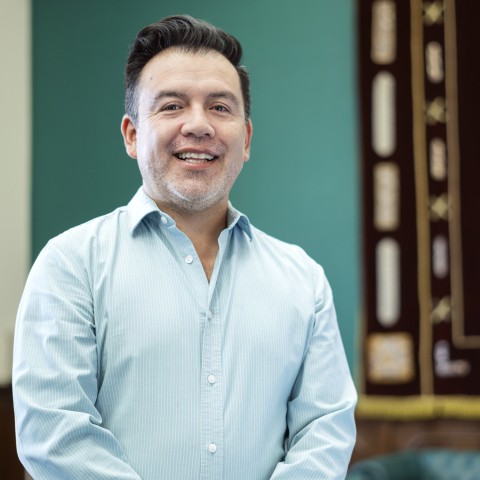
Professor
Office
Maxwell Building, M-318
Phone
(+593 2) 297-1700
Extension
1124
Email